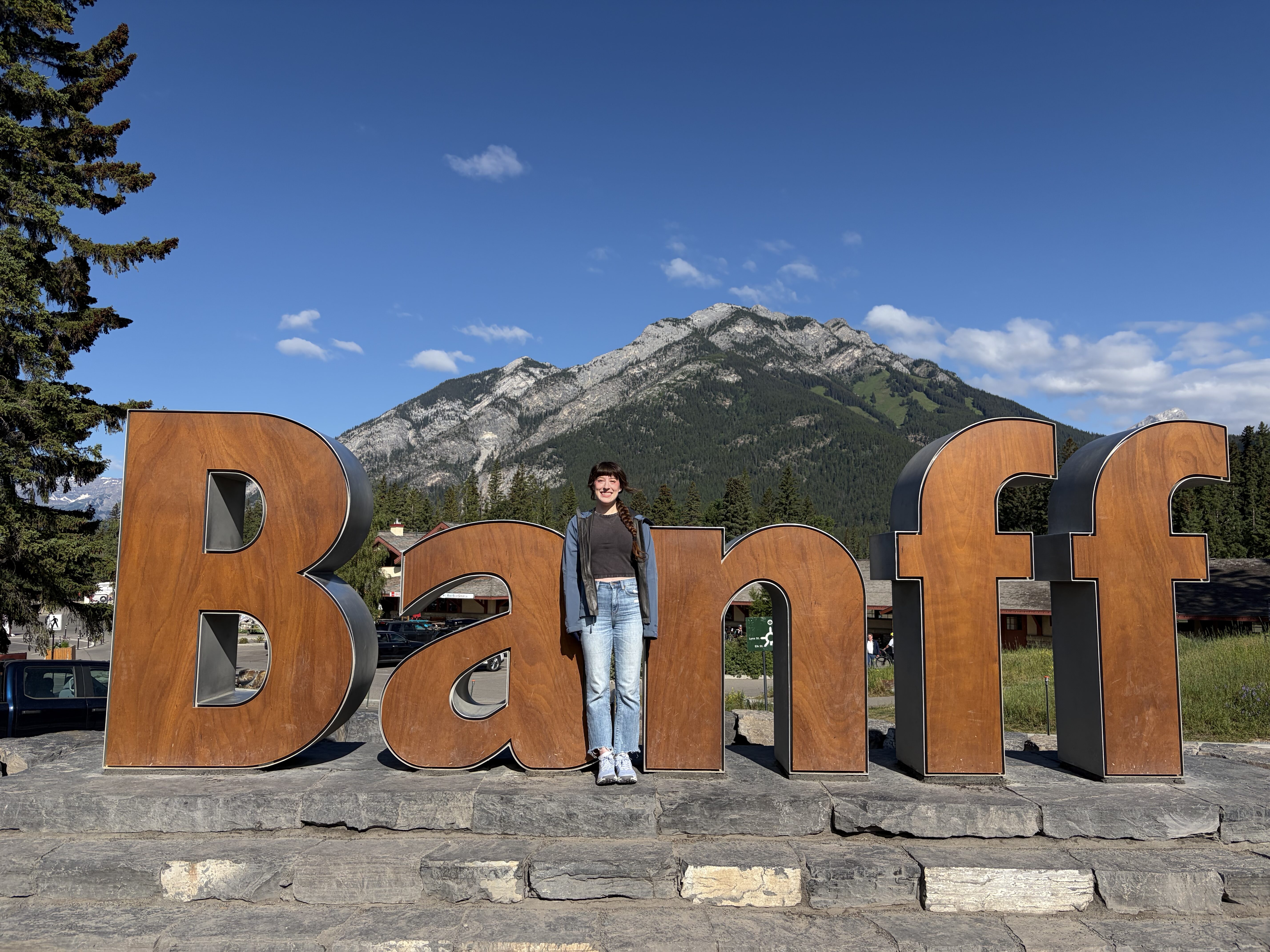
Banff Summer Itinerary: 3 National Parks in 5 Days
Hey traveler! As a Biochemical Engineer, I love optimizing things—including the perfect travel experience! This post contains affiliate links, which means I may earn a small commission if you book or buy something through my links, at no extra cost to you. I only recommend travel experiences I truly believe will make your adventures even better. Your support helps keep Beauty and the Bucket List running—thank you!
Banff National Park, and its scenic neighbors, Jasper and Yoho, should be at the top of any adventurous traveler’s bucket list.
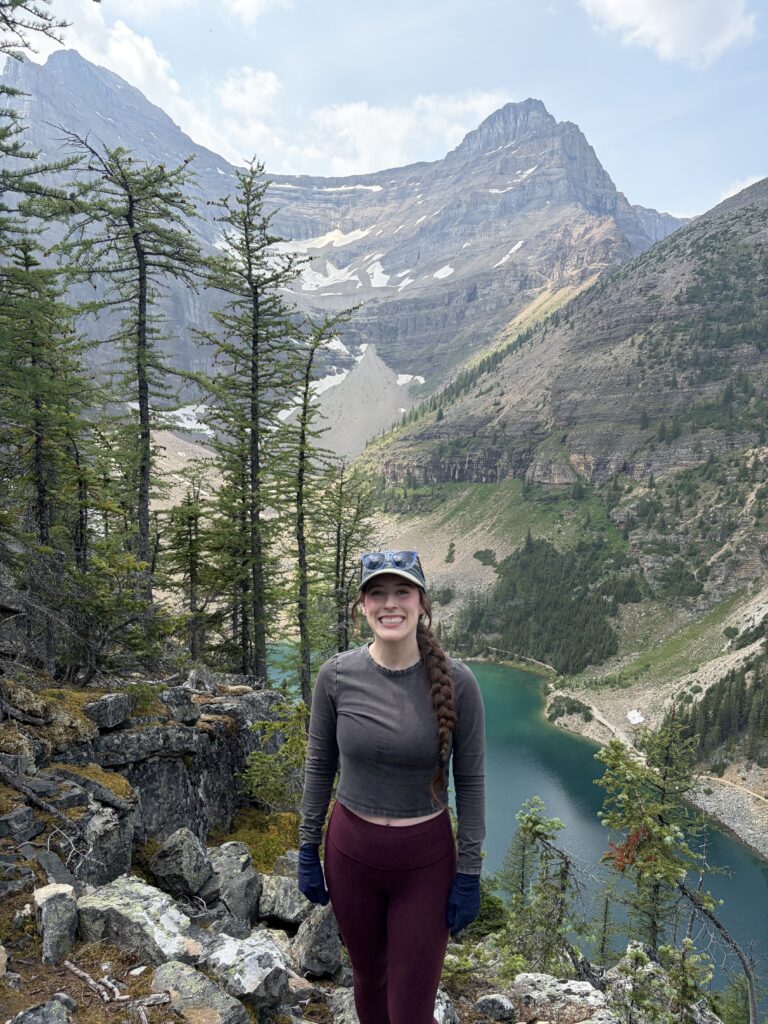
With so many incredible landscapes to explore such as Canada’s iconic turquoise lakes, it can be challenging to plan a Banff summer itinerary that captures all of this vast country’s beauty. This 5-day Banff Itinerary covers 3 incredible National Parks – Banff, Jasper and Yoho – for the perfect outdoor adventure.
Banff and Jasper National Parks are located in Alberta while Yoho National Park is located in British Columbia. Alberta and British Columbia are filled with incredible landscapes like cascading waterfalls, towering mountains, and azure lakes. Lace up your hiking boots and prepare to be awed by Canada’s two most beautiful provinces!
Banff National Park Quick Tips
Don’t have time to read the full article?
Best Time to Visit in Summer:
Where to Stay in Banff (or near Banff)
– Best Budget: Canmore Downtown Hostel
– Best Mid-Range: Moose Hotel
– Best for Families: Skyridge Apartments
Best Banff Tours:
– For Families: Banff Gondola
– For Travelers without a Car: Lake Louise and Moraine Lake half-day tour
Important Information About Visiting Banff in Summer
How to Get to Banff
The closest airport to the town of Banff is Calgary International Airport in the heart of Calgary, Alberta. Once you arrive in Calgary, you can pick up your rental car or book a shared shuttle from the airport to Banff or Canmore.
Rental cars are the most convenient option to explore the three National Parks in this Banff summer itinerary. Shared shuttles are the most affordable option but will require you to book some guided tours from Banff (or Canmore) to see everything on this itinerary. While many of the activities I list in this Canada National Park itinerary can be seen on a self-guided trip, tour options are perfect for travelers who don’t want to rent a car.
Additionally, there is a lot of convenient public transport in Canmore and Banff so you can get around easily without a car – though some of the more remote landscapes do require a rental car!
A Note About The Itinerary
If you don’t want to rent a car, most of my recommendations in this itinerary have some equivalent guided tour option! I’ll list my tour recommendations in the itinerary so you can see everything I recommend without the need to rent a car.
Calgary to Banff is approximately 90 minutes, ~130km, via the Trans-Canada West Highway 1. As you leave the city skyline and drive towards the Canadian Rocky Mountains, the monumental giants will grow taller and taller the closer you get to Banff. Coming from Colorado, where our mountains are also spectacular, I didn’t expect to be so captivated by the Canadian Rockies!
On the way to Canmore and Banff, you’ll pass by a small town called Cochrane (~40km from Calgary). This is a good place to stop for groceries or snacks if you’re staying in a vacation rental with a kitchen. Cochrane has a Safeway and a Walmart Supercenter. I also recommend stopping for a tour at the Yamnuska Wolfdog Sanctuary where you can meet a pack of adorable wolves and wolfdogs. This tour is educational and fun for travelers ages 6+.
If you made the short detour to Cochrane, continue driving on the Trans-Canada West Highway 1 to reach Canmore or Banff.
When to Visit Banff in Summer
Summer in Banff is one of the most popular times to visit because the weather is enjoyable for outdoor activities like hiking, biking, camping and horseback riding.
June through August welcomes long days of sunshine and warm weather.
The weather in June is usually relatively mild with day time highs between the 60s and 70s (°F). In June, most hiking trails will be accessible, however snow may be present at higher elevations.
The months of July and August are peak tourist season in Banff. The days are long and usually sunny, with temperatures spanning the high 60s and high 70s. In July and August, high elevation trails are in peak hiking condition. These months tend to be more expensive for travelers because of destination popularity.
In my opinion, the best time to visit Banff is during early or late summer. Late May and early September are less busy and therefore more affordable. You might have an easier chance at getting tickets to popular Banff activities like Lake Louise and Moraine Lake during the shoulder season.
Is Banff Expensive in Summer?
Summer in Banff is one of the most expensive times to visit this popular Canadian destination. However, peak season in Canada, while traditionally expensive for most travelers, doesn’t have to break the bank.
There is a long list of ways you can make your trip to Banff affordable: find accommodation outside of the town of Banff, book a vacation rental that has a kitchen so you can cook instead of going out for every meal, and find budget-friendly alternatives to popular activities. These are just a few of the ways to make your trip to Banff affordable!
Like most destinations around the world, your adventure can be as frugal or lavish as you make it!
Wildfire Season in Banff
Wildfire season in Banff usually occurs from March to the end of October, however July and August tend to be the most active wildfire months. When I visited Banff in late July, the sky was shrouded with a dreary haze from nearby wildfires. Despite the smoke, I made the most of my trip by exploring on days when the air quality wasn’t so bad. However, I did wonder about how the beautiful landscapes would have looked if the air was clear.
While visiting Banff, Jasper and Yoho National Parks, I discovered that wildfires have an ecological benefit. Though devastating as they are, wildfires help keep nature in balance by clearing dead trees, providing nutrients to the soil, and fostering new growth. One of Canada’s most abundant pines, the Lodgepole Pine, actually requires fire to burst the impenetrable shell of the pinecone where the seeds reside!
As travelers, we can’t really predict whether or not our adventures will be affected by nature, but you CAN plan your trip to Banff during a month when wildfires are less likely to occur. The summer months in Canada have more wildfire activity, while spring, fall and winter tend to be less prone to infernos.
5-Day Banff Itinerary for Summer: A Discovery of 3 Canadian National Parks
Day 1
Arrive in Calgary and Drive to Banff
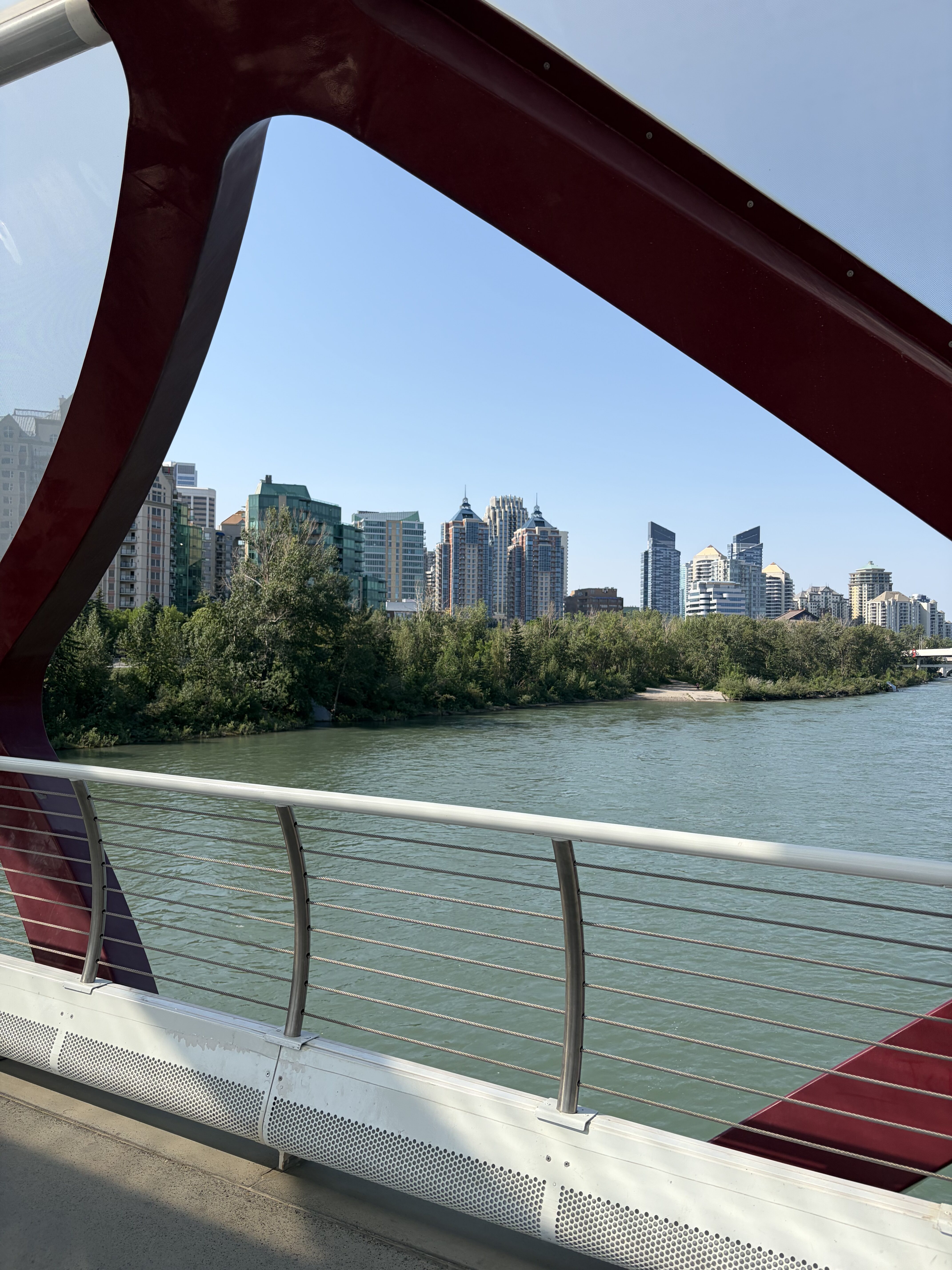
Welcome to Canada (Calgary to be specific)! The closest airport to Banff National Park is Calgary International Airport, so you’ll likely arrive in this Albertan city before heading to the Rocky Mountains.
If you plan to rent a car from Calgary Airport, expect longer wait times, especially for budget-friendly car rental services like Avis or Budget. If you’re choosing to take a shared shuttle and book day tours from Canmore or Banff, you’ll have a lot of options for shuttle times.
There are lots of things to do in Calgary, and while this bustling city isn’t the star of this Banff summer itinerary, I’ll share some of my favorites!
The Bow River winds its way through the heart of the city and makes for a scenic place for a stroll. Walk or bike through the Peace Bridge, a pedestrian bridge that looks strikingly similar to a chinese finger trap. The Peace Bridge is a short walk from Prince’s Island Park which is a great hotspot to see nature’s engineers…beavers!
For a scenic view of the skyline, visit Crescent Heights Lookout. Canada is home to one of the best zoos in North America. The Calgary Zoo is a family-friendly place to explore if you have extra time in the city, well-known for its outstanding conservation efforts.
If you want to grab a meal in Calgary, I highly recommend visiting Niubest hand-pulled noodles (I still dream about that delicious noodle bowl!).
Once you’ve seen enough of Calgary, make the scenic drive to Banff!
Where to Stay in Banff (or Outside of Banff)
BEST BUDGET
Canmore Downtown Hostel (Canmore)
A mountain view hostel in Canmore offering dorm-style and private rooms, perfect for budget travelers.
BEST MID-RANGE
Moose Hotel (Banff)
Located in the heart of Banff, Moose Hotel is modern and “mountain rustic” with a restaurant (Pacini Restaurant) onsite and a rooftop hot tub.
BEST for FAMILIES (or GROUPS)
Skyridge Apartments (Harvie Heights)
Modern and fully-furnished apartments (with kitchen!) in Harvie Heights (~25 kilometers from Banff) that are perfect for families or large groups.
BEST BOUTIQUE
The Kenrick (Banff)
An elegant boutique hotel in Banff with modern rooms and a restaurant (The Fat Ox) and coffee shop (Analog Coffee) on site.
BEST HIDDEN GEM
Juniper Hotel (Banff)
A luxury boutique hotel at the base of Mt. Norquay that offers traditional guest rooms or cabin suites.
Day 2
Explore Town of Banff, Lake Minnewanka Scenic Cruise
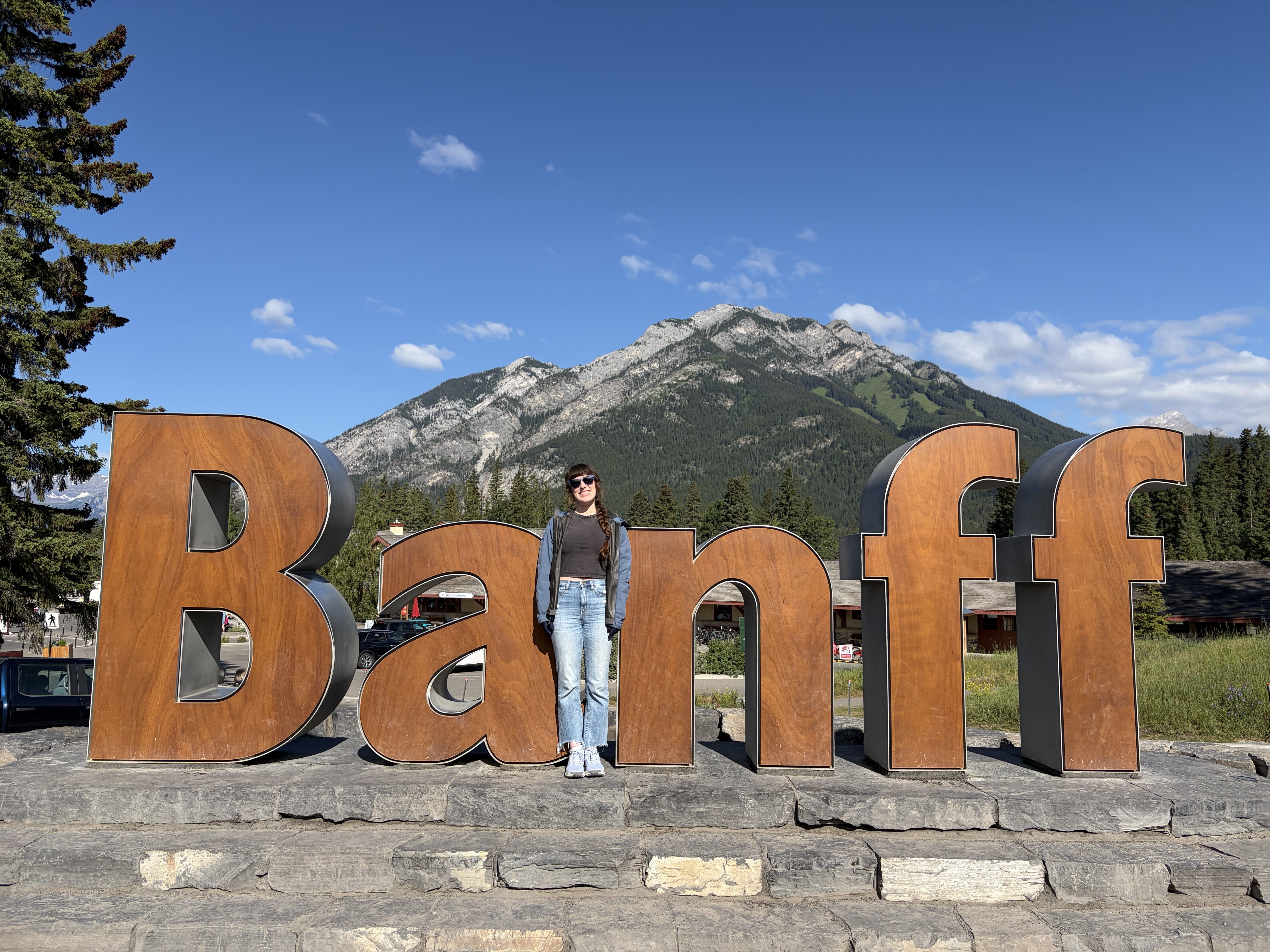
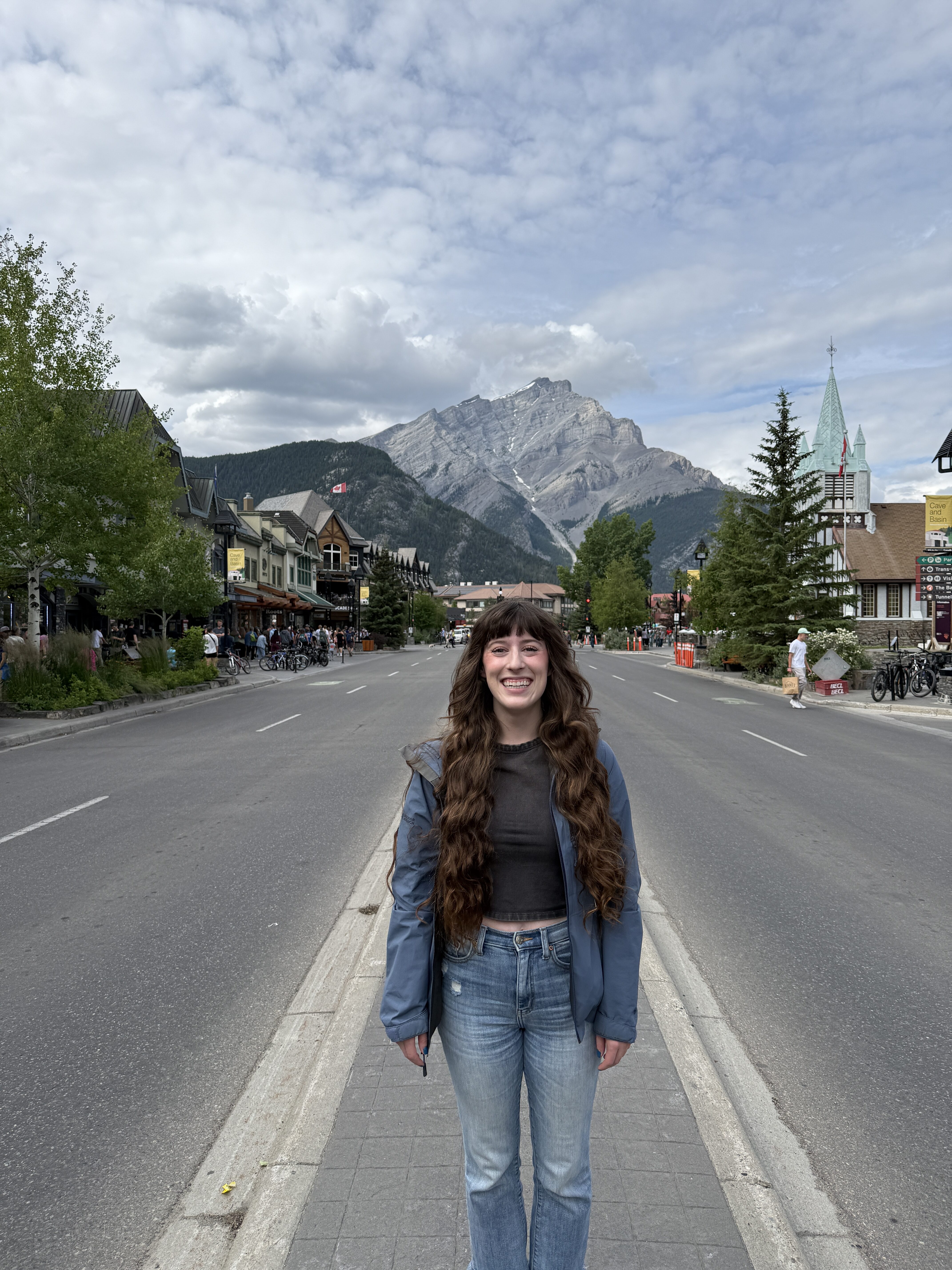
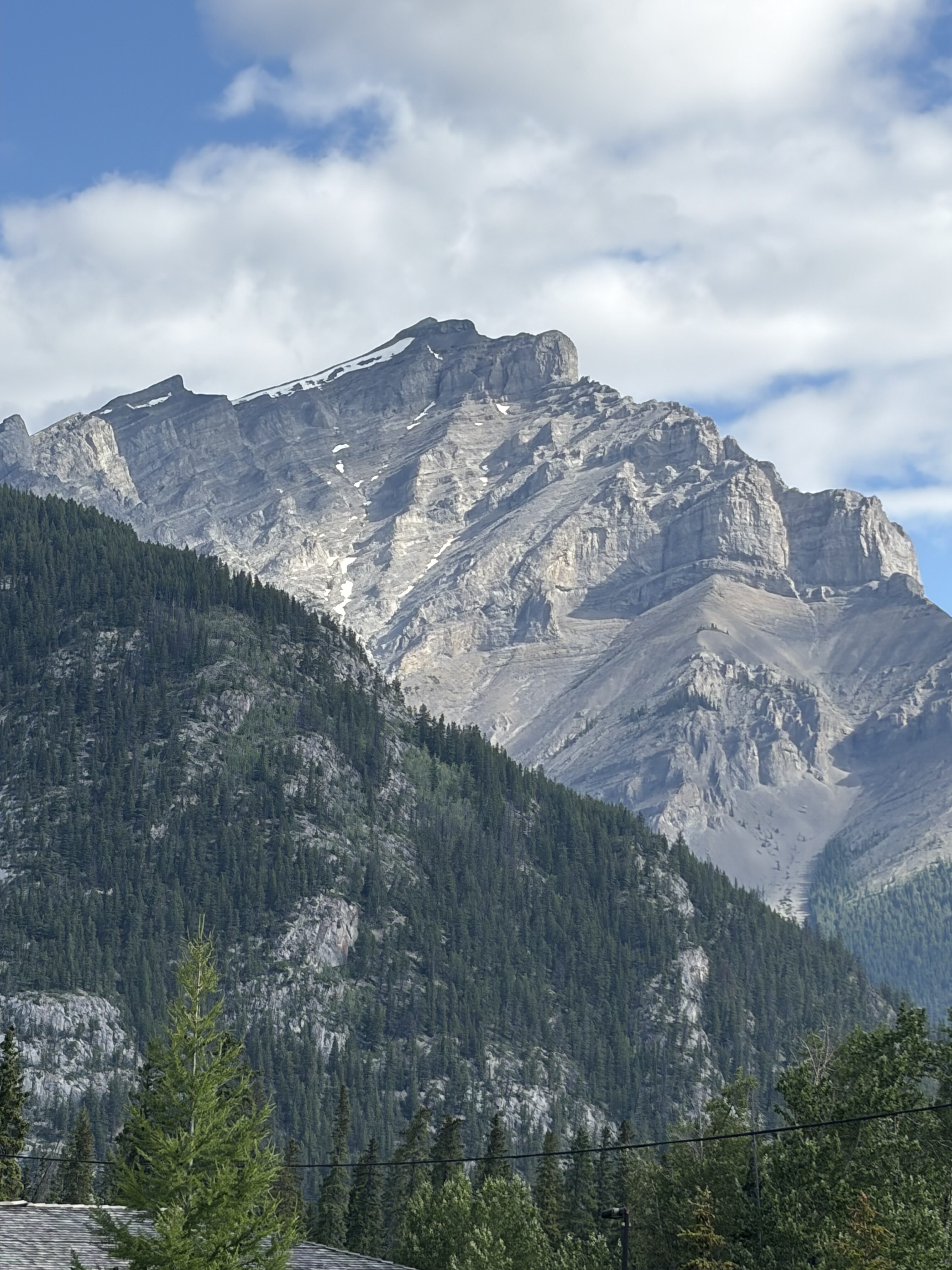
The town of Banff, which is actually a part of Banff National Park, is one of the most incredible places in Canada. Cascade Mountain, jagged and prominent, towers over the town like a formidable giant keeping watch over the landscapes and the visitors that explore them. Surrounded on all sides by peaks blanketed in emerald pines, I was awestruck when I drove into this mountain paradise.
If you’re visiting Banff from Canmore, start your morning with breakfast at Rocky Mountain Bagel Company which is in the heart of Canmore. Banff has some great coffee shops along Main Street, but I recommend going slightly off-the-beaten-path to Banff Roasting Company, a locally-owned coffee shop that roasts the beans in-house. The best souvenirs are the ones you can devour and locally roasted coffee from Banff makes a great gift.
After a pleasant breakfast, this Banff National Park itinerary begins with a scenic birds-eye view of the town and the beautiful mountains that surround it. The Banff Gondola is a popular activity in Banff that allows you to see the monumental Rocky Mountains from Sulphur Mountain, which stands face to face with Mt. Rundle.
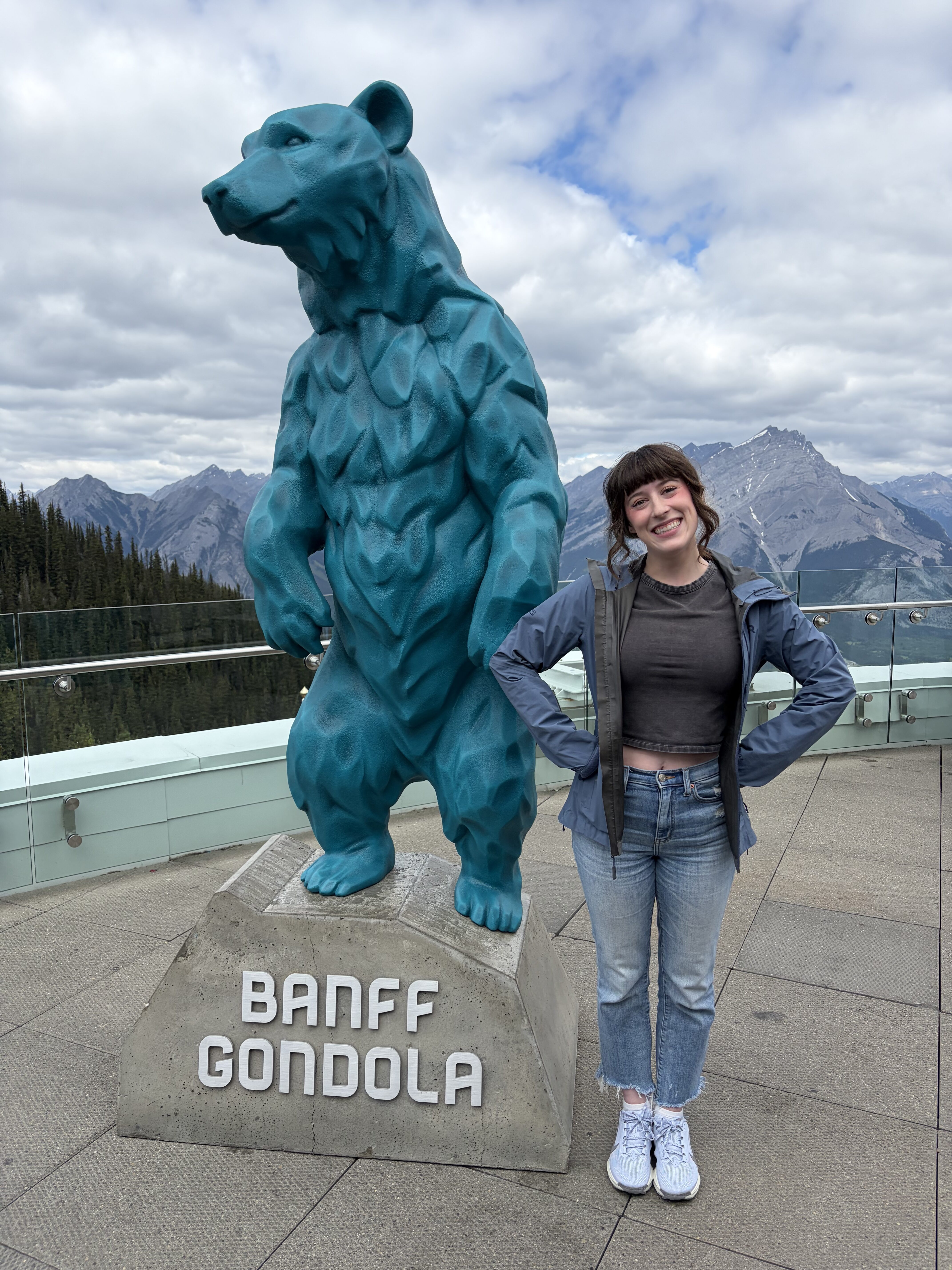
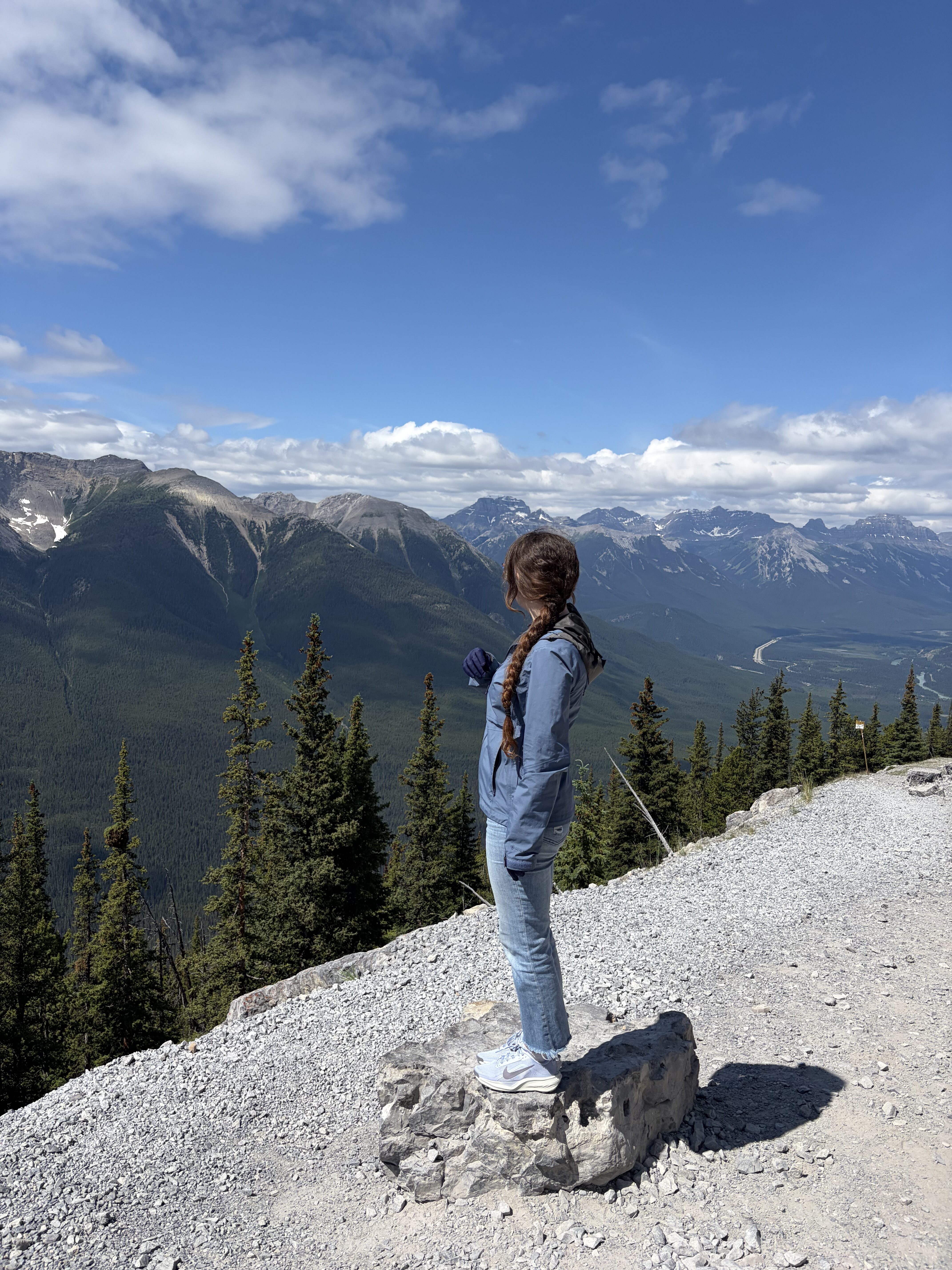
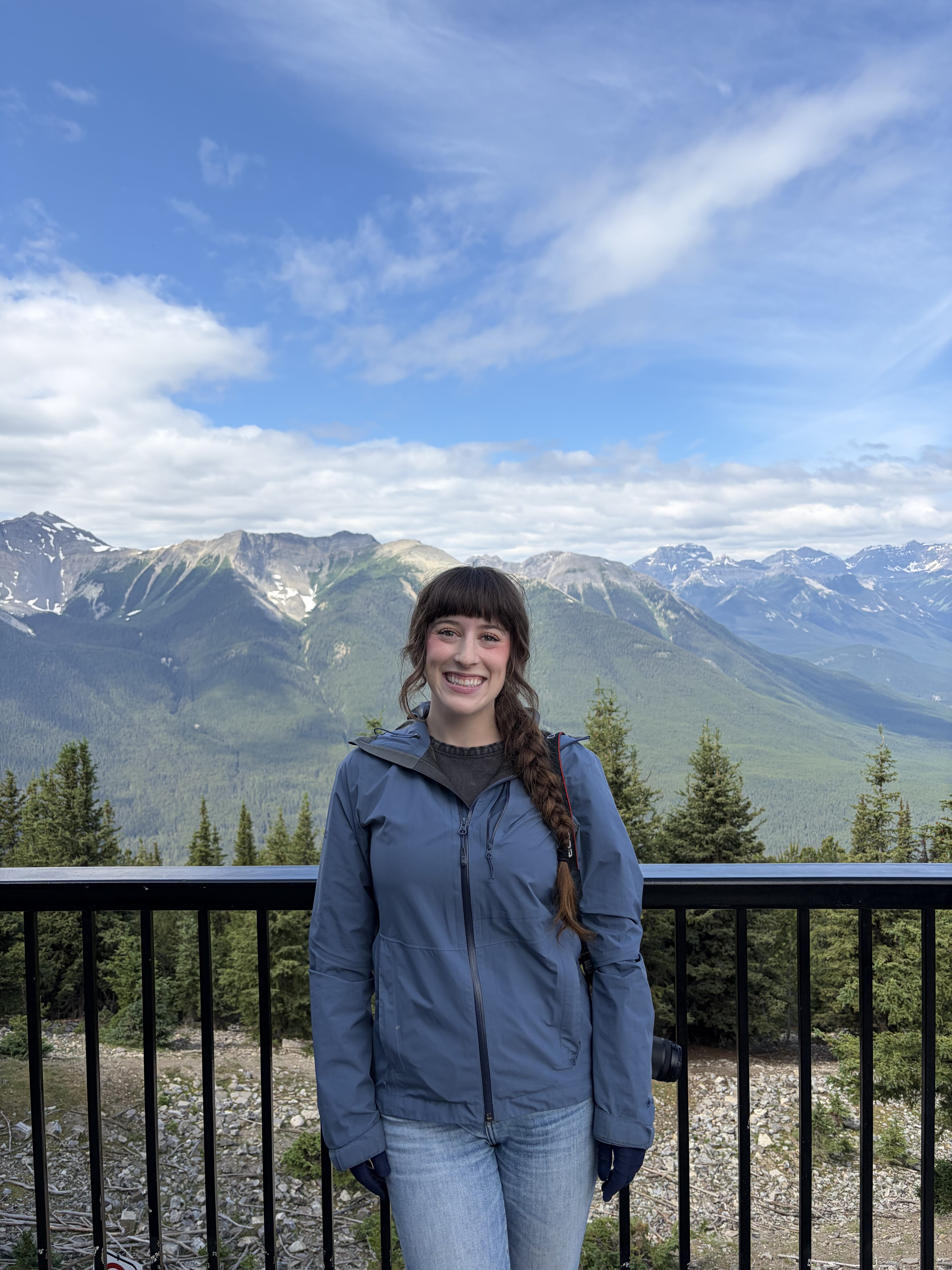
From May 15th to October 12th, travelers who purchase a ticket to the Banff Gondola can take advantage of a free shuttle service from the parking lot at the Banff Train Station or other locations around town. Brewster shuttles or city transit buses, called the “Roam” buses, will arrive every 15-30 minutes at the Banff Train Station to shuttle travelers from the parking lot to the Banff Gondola.
This FREE Banff shuttle service included with your ticket purchase is the best way to avoid parking hassles at the Banff Gondola. The parking lot at the Banff Gondola costs an additional $17.50 per vehicle, so I highly recommend catching the free shuttle from the Banff Train Station – or other locations in town including downtown Banff, Elk Street IGA and Banff Park Museum – unless you require accessibility accommodations. Check the Brewster Shuttle Schedule or the Banff Local Route 1 (Roam Bus 1) to plan your transfer to the Banff Gondola.
A more affordable alternative to the Banff Gondola is the Mt. Norquay sightseeing chairlift. Offering similar panoramic views of the mountains and the town of Banff, the Mt. Norquay sightseeing chairlift is an incredible way to spot local wildlife.
Once you make it to the summit, there are several things to do on Mt. Norquay. You can climb a Via Ferrata (Mt. Norquay has FIVE routes!) or enjoy lunch at the scenic mountain top bistro. While most of Mt. Norquay ski area remains a protected area for wildlife, there are two great hiking routes: Upper Stoney Trail (4.2km, moderate) and Cascade Amphitheater Trail (15.4km, hard).
After discovering a bird’s-eye view of Banff, head back to town for a stroll along Main Street. There are endless shops to wander through, lots of iconic restaurants, and many scenic pathways to traverse.
But there’s one Canadian tradition that absolutely needs to be on your Banff summer itinerary: devouring a glorious, flattened donut-like pastry. The Beaver Tail pastry is a mouth-wateringly delicious fried sweet that comes with a variety of toppings. My favorite style is the apple pie-topped Beaver Tail. I loved this Canadian treat so much, I went back THREE times in my short five-day Banff itinerary!
While in the town of Banff, I also recommend walking along one of the many scenic walking trails. The Bow River Trail runs parallel with the river from the heart of Banff and ends at Bow Falls. This powerful waterfall sits just beneath the noteworthy Fairmont Hotel, which makes for a perfect detour for travelers who want to enjoy afternoon tea at this lavish five-star hotel. Someday I dream of staying at the Fairmont Hotel, but enjoying tea and pastries at Rundle Bar is a good alternative for now!
The final stop for day three of this Banff Summer Itinerary is Lake Minnewanka. Millions of people visit Banff National Park every year – in fact, it’s pretty close to 5 million! – but FEW actually venture into the Canadian backcountry. Less than 10% of travelers.
On board the Lake Minnewanka scenic cruise, you’ll venture out to the Canadian backcountry by boat, while listening to intriguing facts about Banff National Park and the local wildlife. No need to trek through the pines. No 4×4 vehicle required. Just a relaxing journey along the calm waters of Lake Minnewanka.
The Lake Minnewanka scenic cruise in Banff National Park is perfect for all ages, a great adventure for an early summer evening when the weather cools and the sun dips behind the mountains. For adults-only fun, Lake Minnewanka also offers a scenic beer cruise if you want to sip some local brews and enjoy the landscapes (available for travelers ages 18+)!
Head back to your accommodation for the night, day two of this Banff Summer Itinerary will bring you to the shimmering blue shores of Lake Louise and Moraine Lake!
Day 3
Banff National Park – Visit Lake Louise and Moraine Lake, Evening at Johnston Canyon
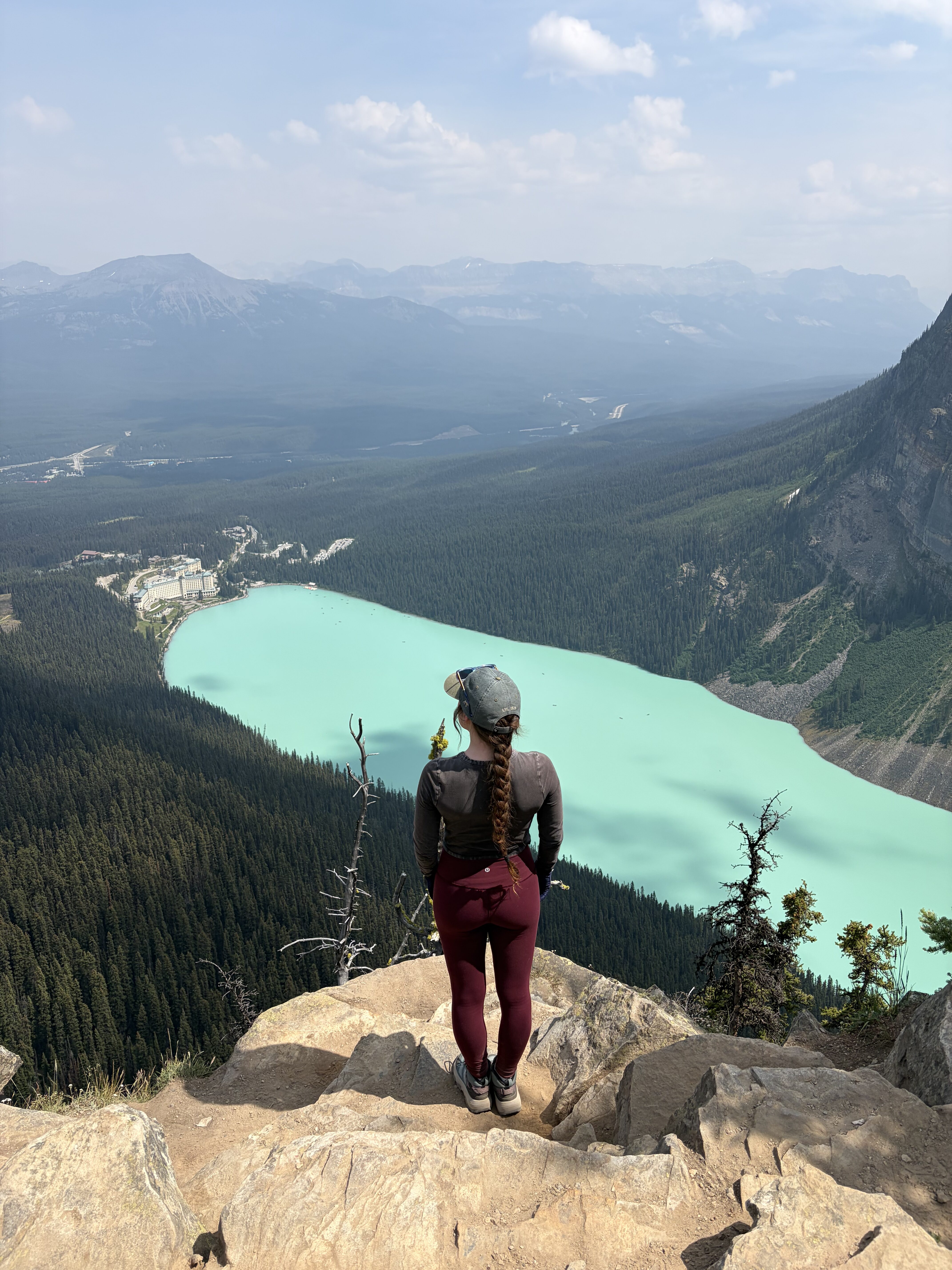
No Banff summer itinerary would be complete without a visit to Canada’s two most popular lakes, Lake Louise and Moraine Lake! When the sun blankets the landscape in a warm glow, the azure waters of these lakes shimmer like vibrant opals.
You have two options to get to Lake Louise and Moraine Lake: you can either book a guided tour to the lakes or reserve a space on the shuttle with Parks Canada.
A guided tour like the Lake Louise and Moraine Lake half-day tour (from Banff) is great for last-minute travelers or families who want private transport to each lake. Guided tours have a set itinerary, which is perfect for travelers who enjoy structure. These tours tend to be more expensive than just buying shuttle tickets through Parks Canada.
If you’re staying in Canmore instead of Banff, you can also book a Lake Louise and Lake Moraine tour from Canmore.
Booking tickets to Lake Louise and Moraine Lake with Parks Canada is relatively straightforward but can be very competitive during the summer months. A majority of the Parks Canada shuttle reservations for the busy season, May through October, go on sale in mid-April. Be prepared in the queue early, know your travel dates and don’t hesitate to book tickets!
Lake Louise and Moraine Lake shuttle tickets sell out within hours of release.
If you didn’t secure the tickets during that initial ticket release, you still have a good chance at getting your desired timeslot. The remainder of the tickets are sold “last minute” meaning they go on sale 48 hours before the actual ticket time.
So which lake should you visit first? Lake Louise or Moraine Lake?
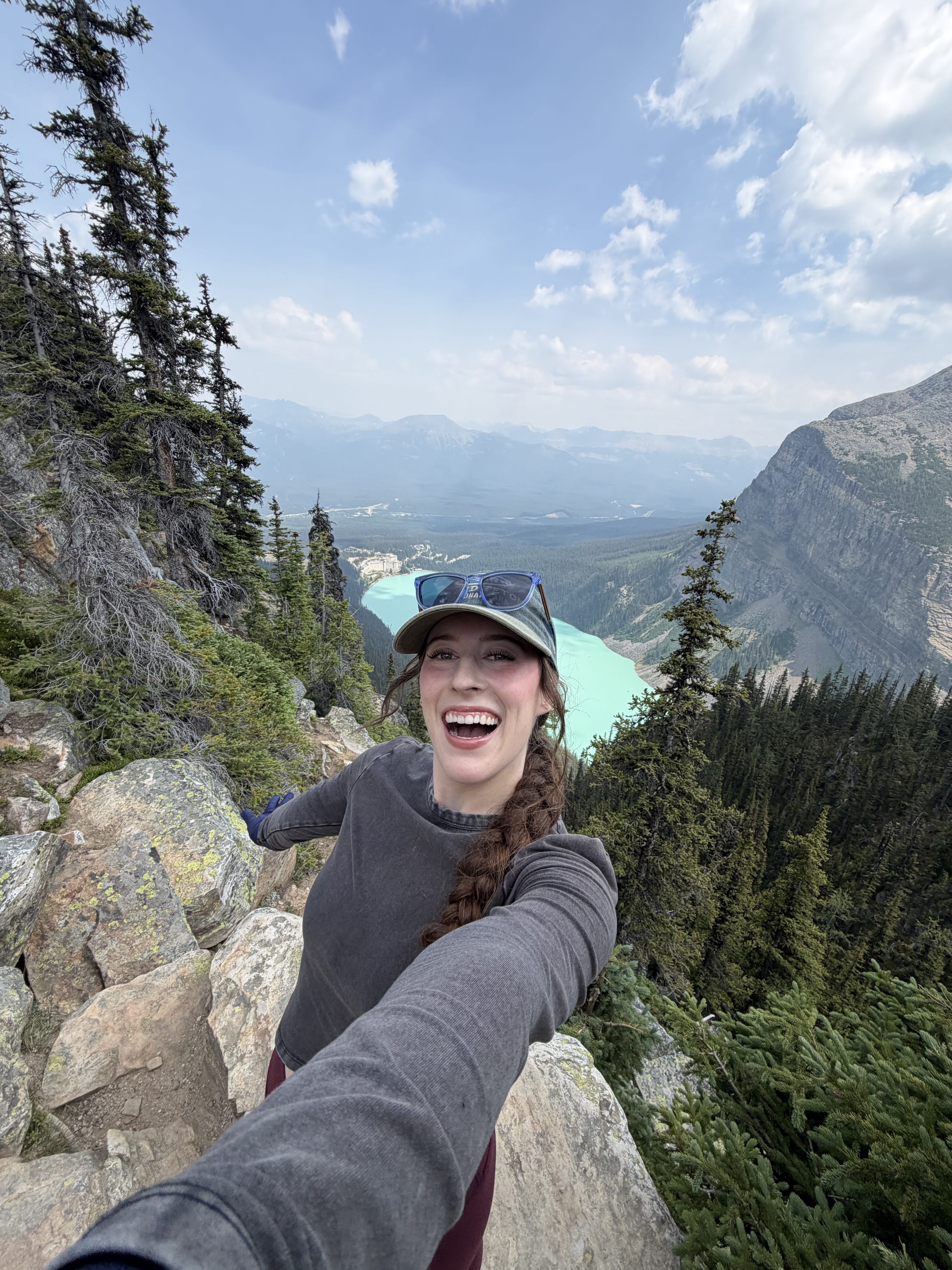
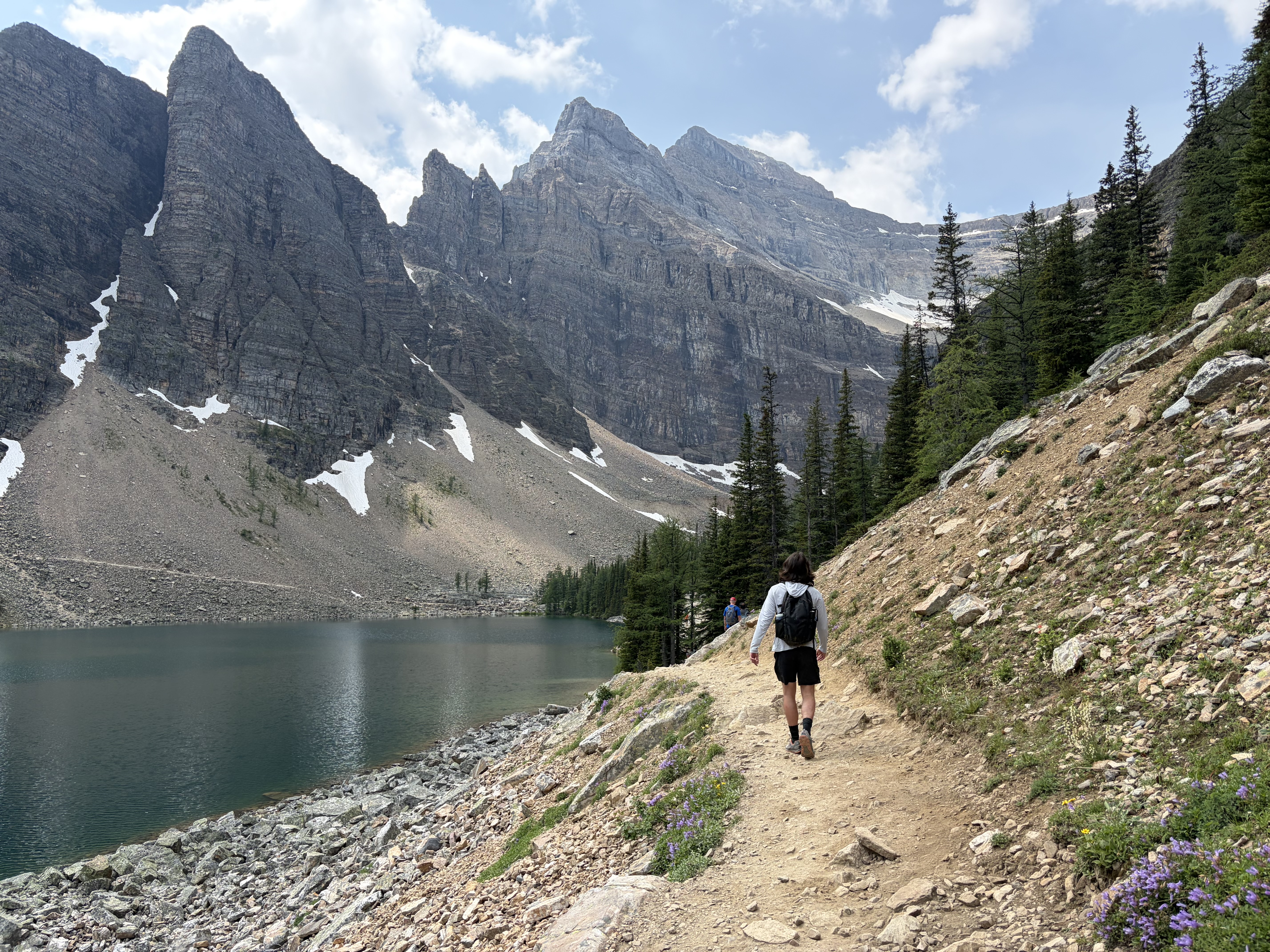
Both lakes are equally awe-inspiring, but unique in their own ways. I visited Lake Louise first to hike to the Lake Agnes Teahouse and the Big Beehive viewpoint.
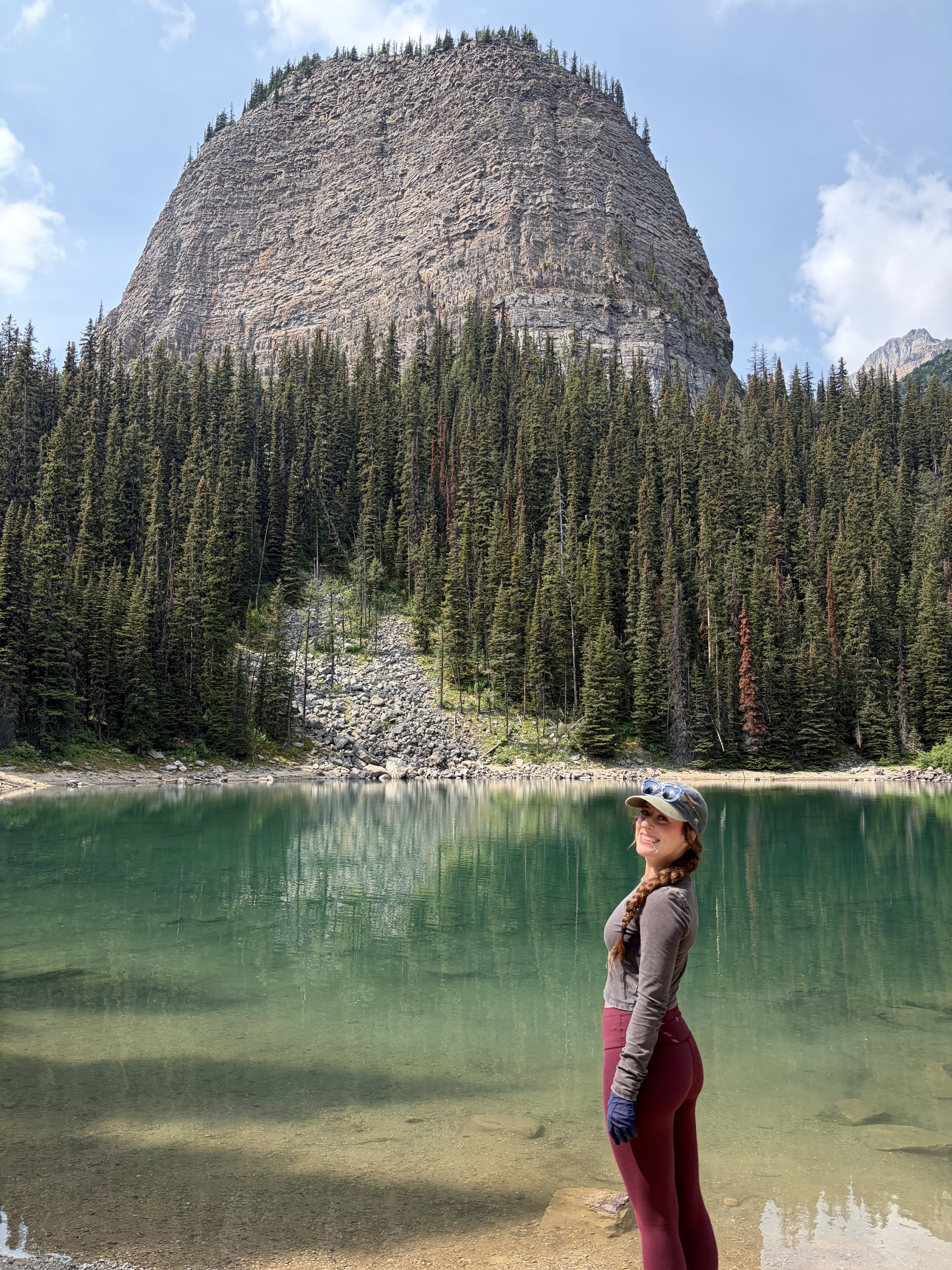
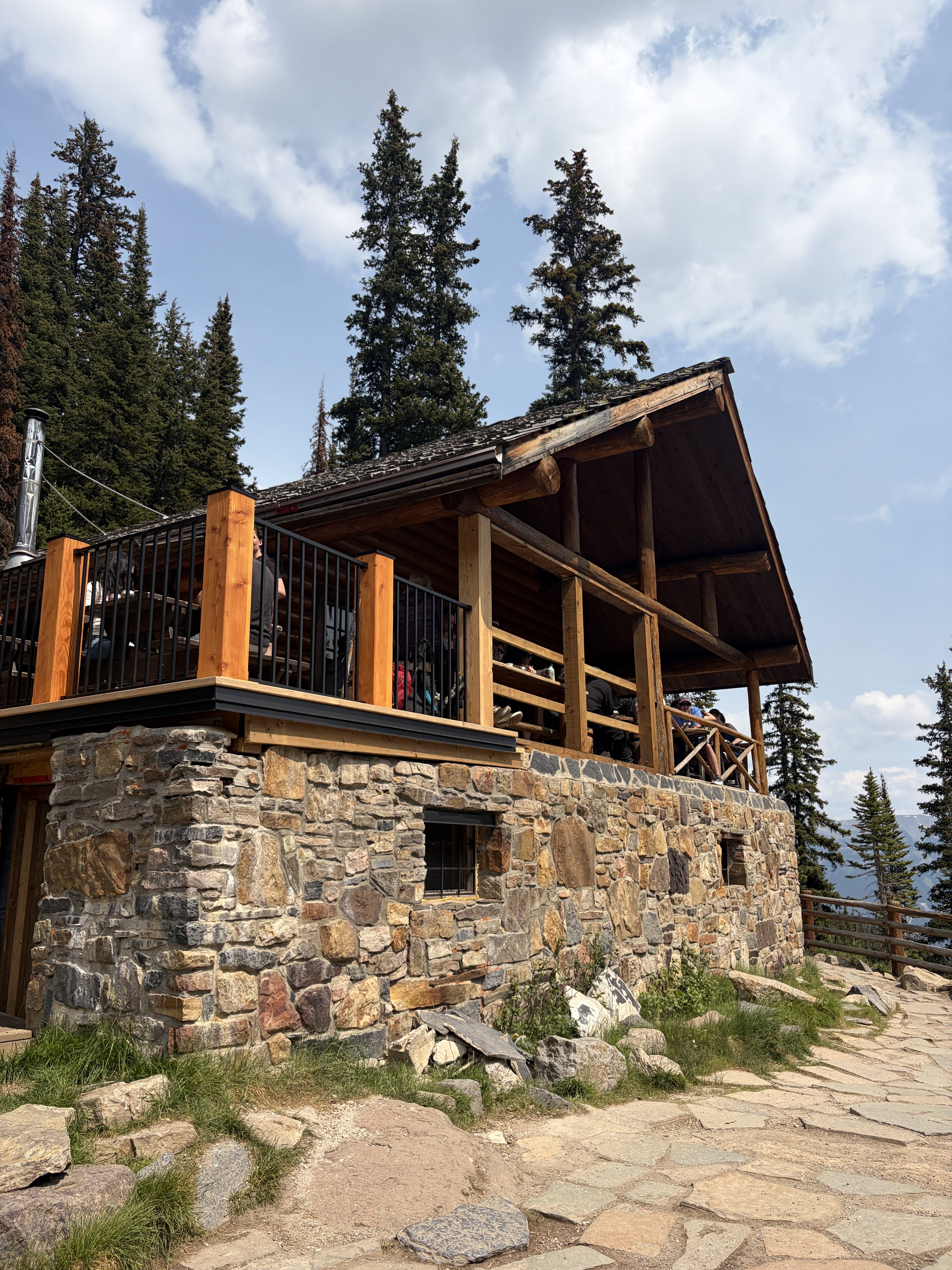
The trail to reach Lake Agnes Teahouse is ~3.5 kilometers (one way) from the shores of Lake Louise, a gradual climb that may be challenging for first-time hikers. From the teahouse, Big Beehive is an additional 2 kilometers, or ~5.4 kilometers (one way) from the shores of Lake Louise.
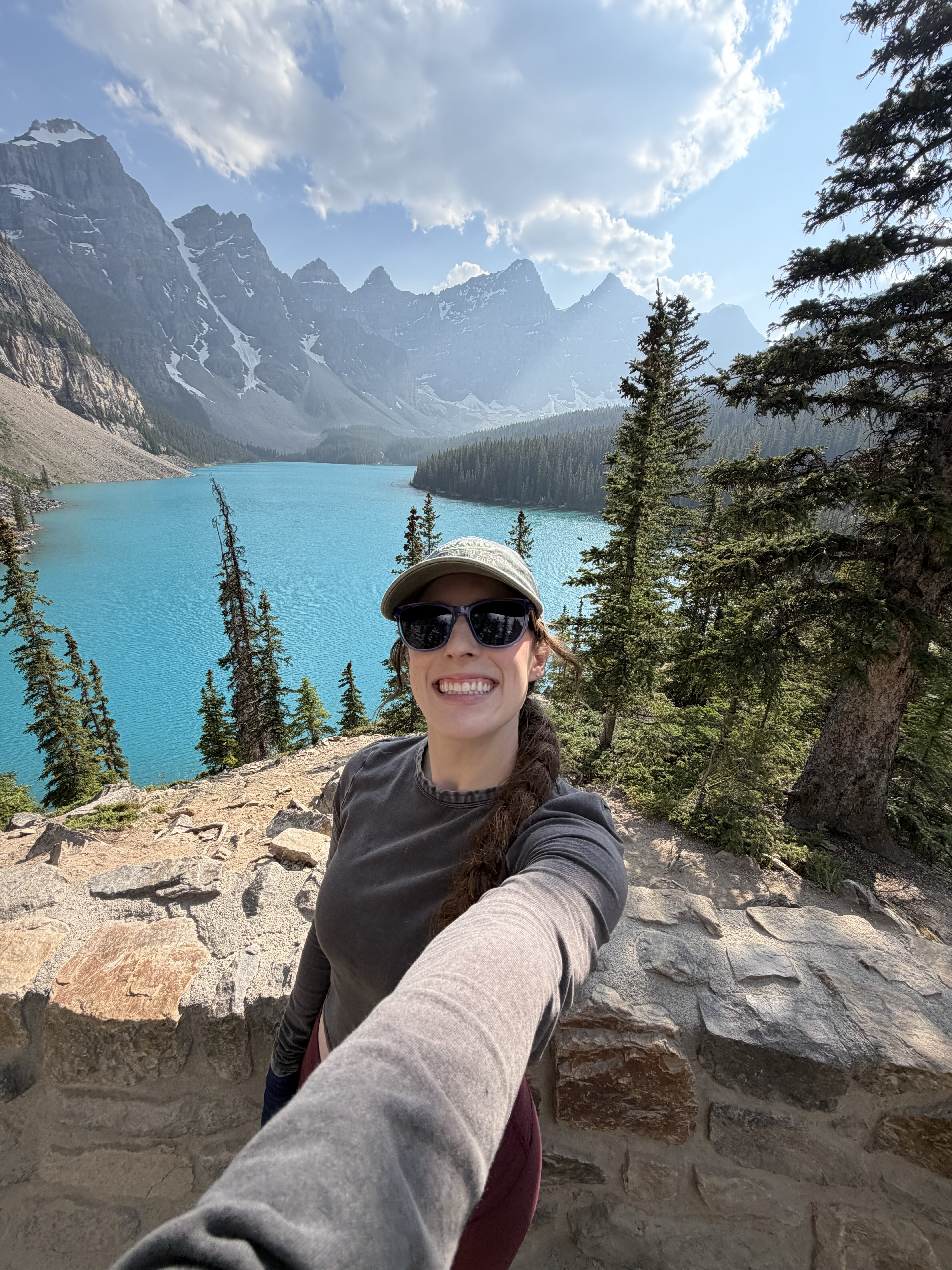
Following my hiking adventures at Lake Louise, I then took the connector shuttle to Moraine Lake in the early afternoon. I loved climbing the rock pile and gazing out at the turquoise ripples with the ten peaks guarding the lake.
Alternatively, you can visit Lake Moraine first, in the morning when the sun illuminates the Valley of the Ten Peaks. There’s no right or wrong answer to which lake you should visit first! Flip a coin, you’ll be awestruck either way!
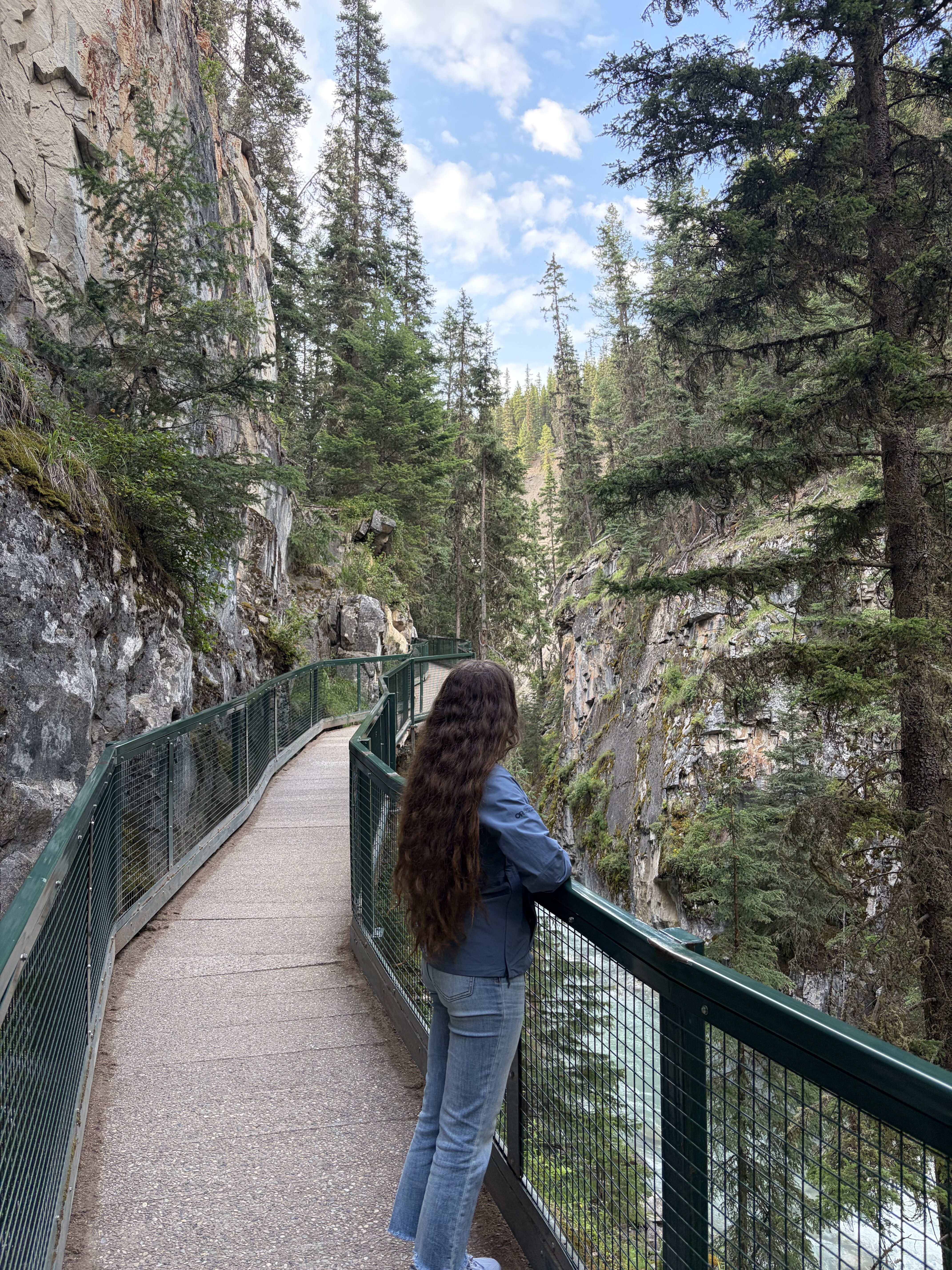
The adventure isn’t over after visiting Lake Louise and Moraine Lake! The final stop on day three of this Banff itinerary is Johnston Canyon. Evening is the PERFECT time to visit Johnston Canyon because during the summer months daylight hours are long and fewer people visit during evening hours.
As you drive, you may even be lucky enough to spot wildlife emerging at dusk! I spotted a brown bear devouring ripe buffaloberries right next to the road.
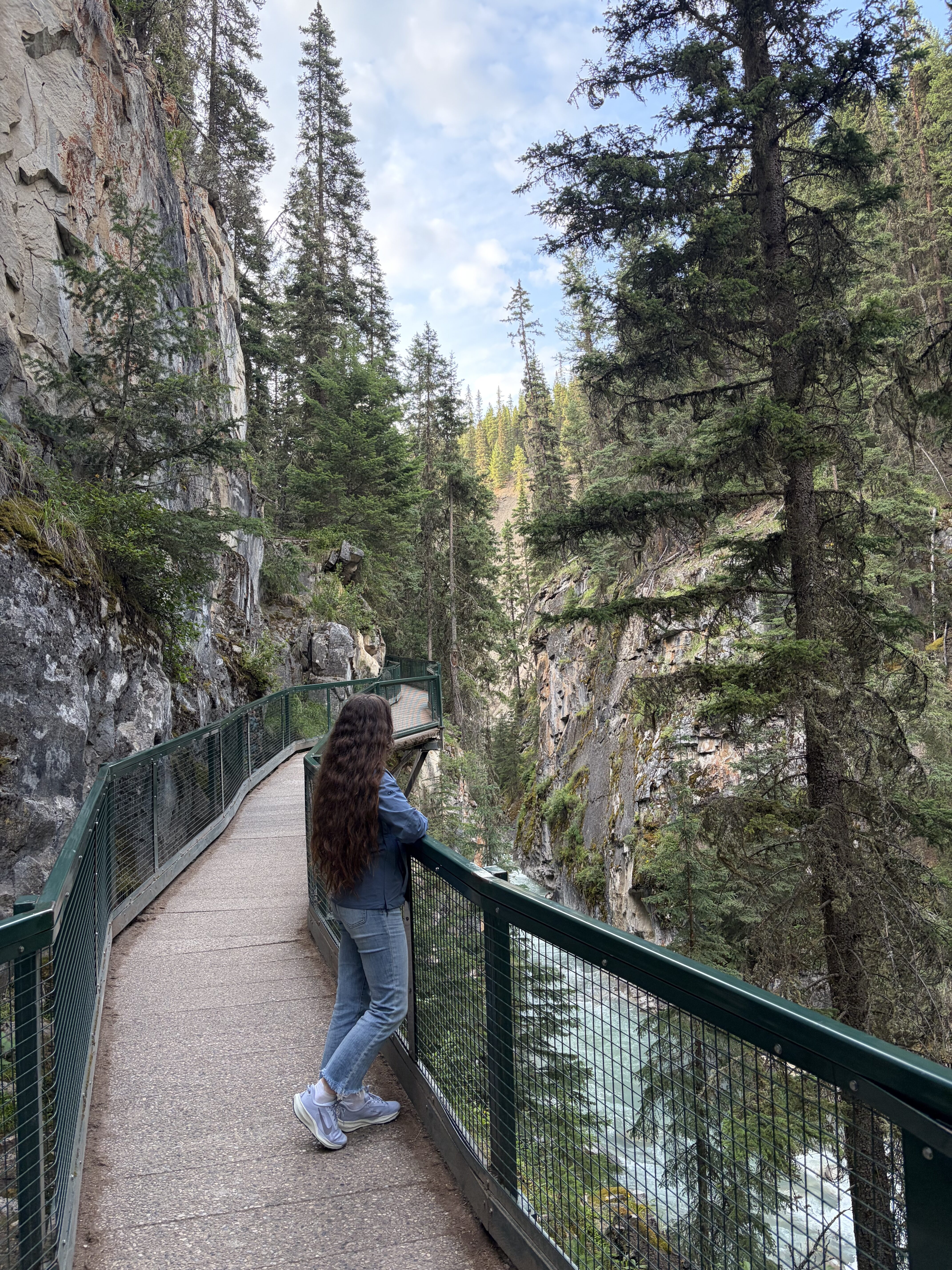
Hike to the Lower Falls (1.1 kilometers, one way from the start) and the Upper Falls (2.5 kilometers, one way from the start) during the evening hours when crowds are minimal and the sun dips beyond the canyon.
Rest up after a long day of hiking and exploring! Day four of this Banff summer itinerary will bring you to the next Canadian national park, Jasper National Park!
Day 4
Jasper National Park – Icefields Parkway and the Athabasca Glacier
Many travelers who visit Banff National Park have no idea that just 180 kilometers north lies the largest icefield in Canada. The Colombia Icefield, home to six monumental glaciers, is a must-visit destination in Jasper National Park, the second Canadian national park on this Banff summer itinerary.
For travelers renting a car, I recommend starting the drive to Jasper National Park and the Colombia Icefield early. Many guided tours follow a similar driving itinerary and scenic stops might be crowded at certain hours. If you’ve chosen not to rent a car for your Canada national park trip, I recommend booking a full day Colombia Icefield tour from Banff, which includes beautiful stops like Peyto Lake.
To reach the Colombia Icefield, you’ll drive ~180 kilometers north from Banff (or ~208 kilometers north from Canmore). Without stopping, the drive takes approximately 2.5 hours. However, this Jasper National Park itinerary has some scenic stopping points, so I definitely recommend stopping at the various lakes and lookouts!
The first stop on the Colombia Icefields driving route is Bow Lake. Surrounded by jagged limestone peaks and the Bow Glacier, which feeds both the lake itself and the river that runs through town, this lake is an easy first stop that doesn’t require hiking.
After visiting Bow Lake, drive an additional seven kilometers to a wolf-shaped lake named after one of Banff National Park’s first wardens. Peyto Lake is a captivatingly turquoise lake fed with water and glacial sediment from the ice formation that shares the same name. A “kiss from the wolf” is a popular way to pose with the lake!
Drive an additional 91 kilometers on Highway 93 to the Colombia Icefield Glacier Center to start your glacier tour. On the way you can choose to stop at the Saskatchewan River Crossing to see where the river carves the landscape, or continue on to the next adventure!
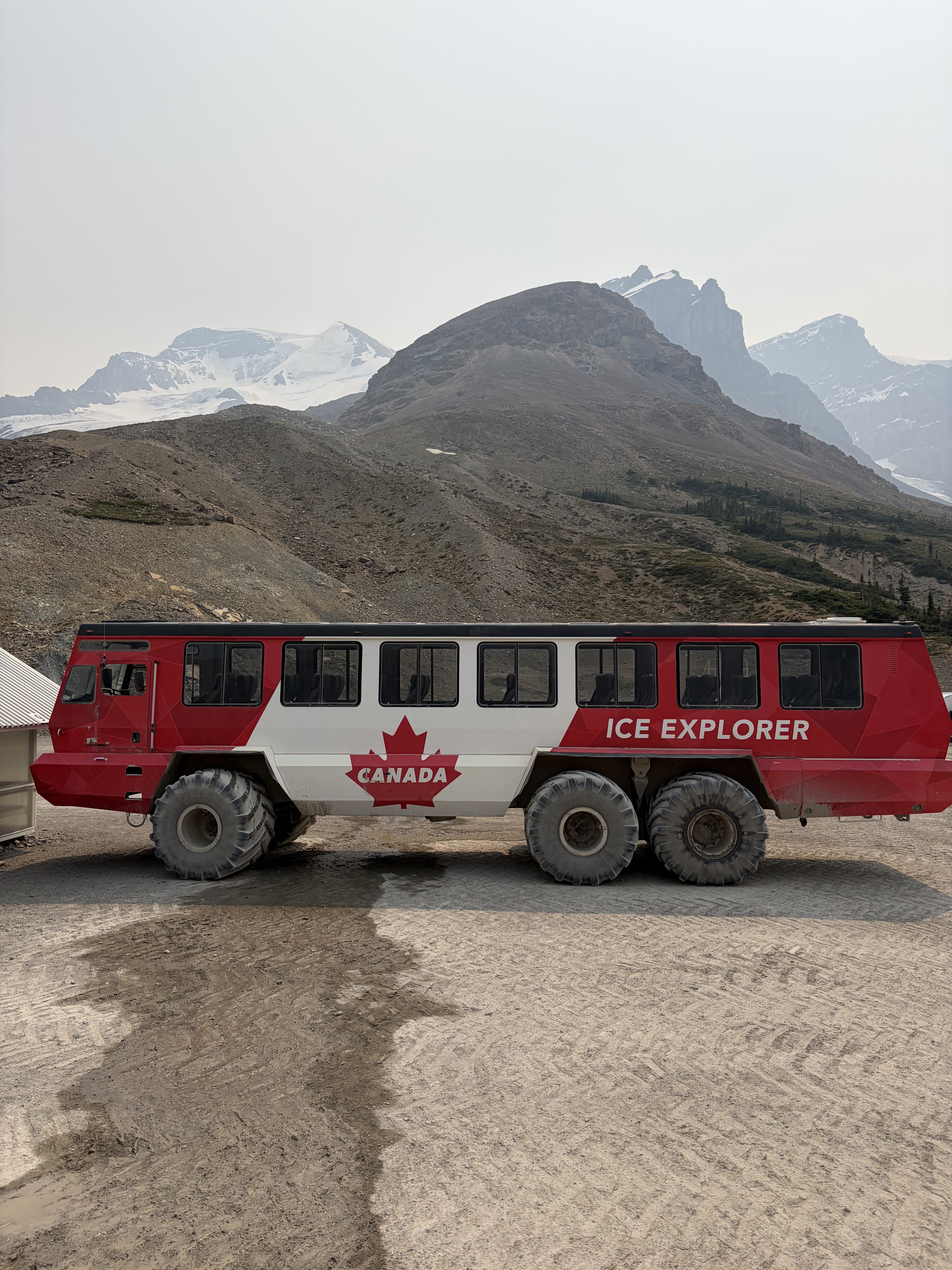
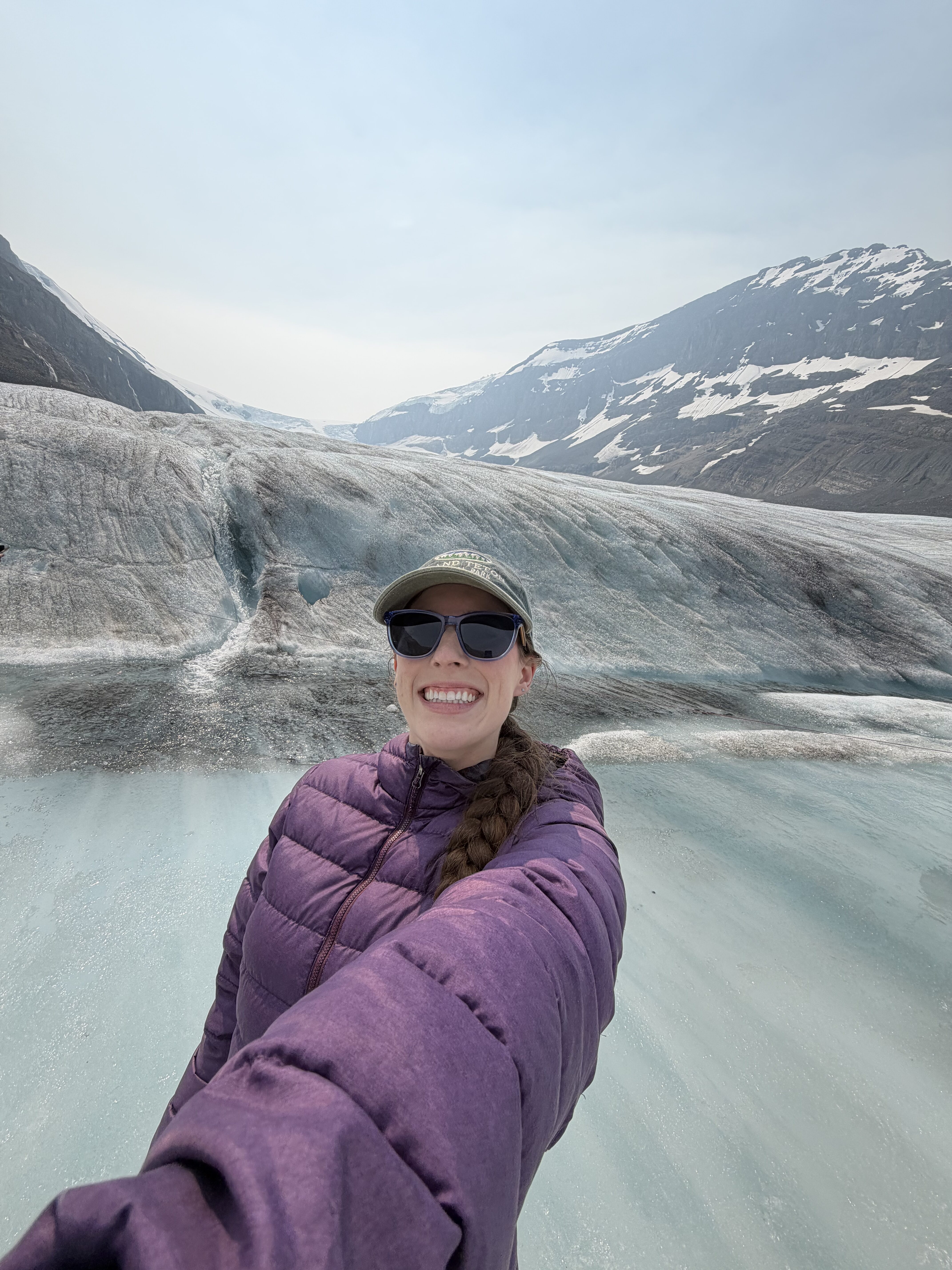
Once you make it to the Colombia Icefield, you have a few options to discover the glacier. You can hike to the toe of the Athabasca Glacier, the only way to see the glacier for free, book an Ice Explorer tour (large group), or book a more private Ice Odyssey tour (small group).
I booked the official Ice Explorer tour, where you get to journey to the glacier on a historic ice explorer – one of twenty three in the ENTIRE world – and I loved the experience of walking on the Athabasca Glacier. This tour also includes entry to the Skywalk.
After my glacier tour, I really enjoyed eating the vegetarian poutine (my first time trying poutine while in Canada!) at the Chalet restaurant (onsite).
Make the 2.5-hour journey back to Banff for the last destination on this Canada national park itinerary!
Day 5
Yoho National Park – Emerald Lake and Takkakaw Falls, Drive Back to Calgary
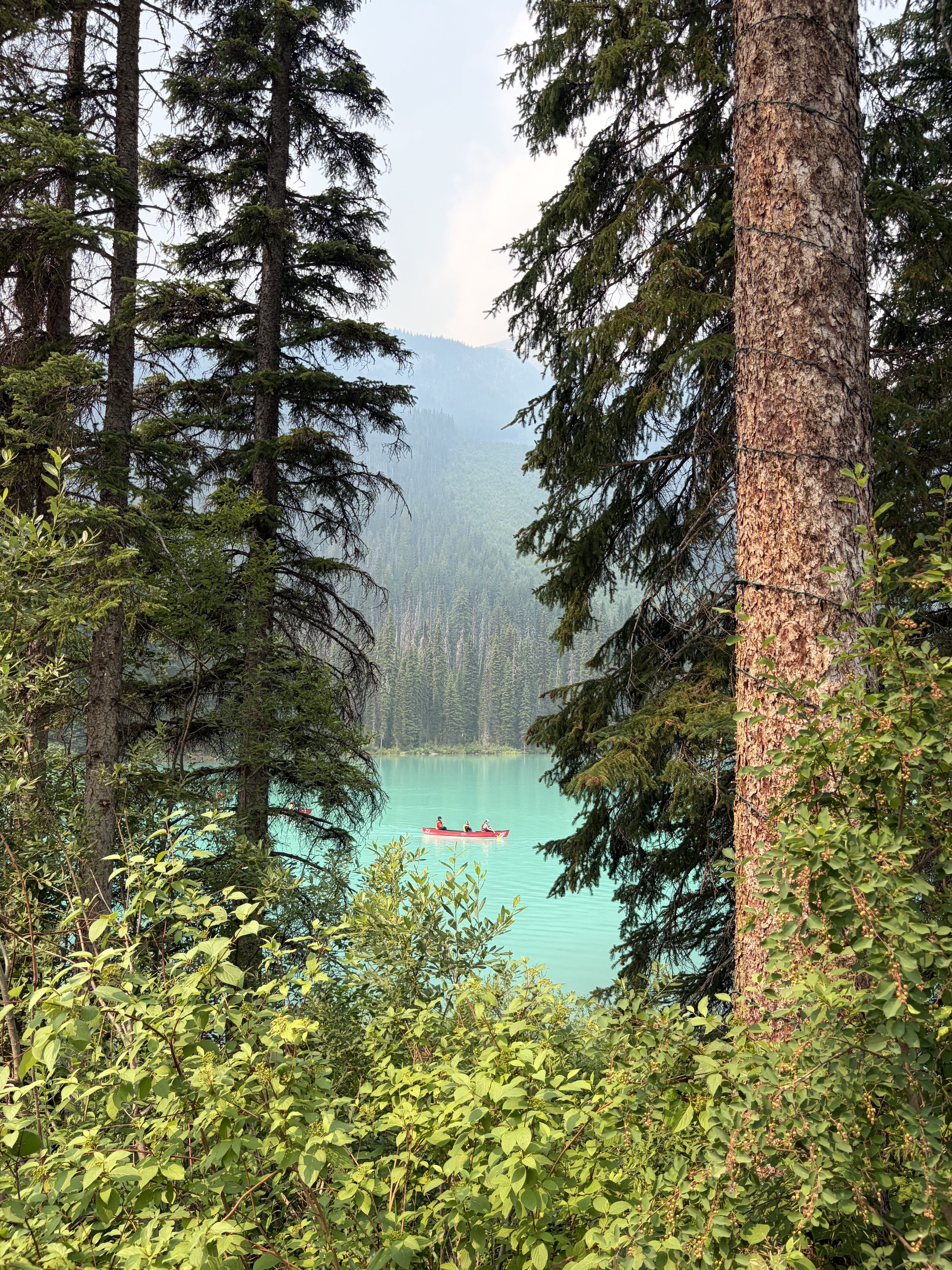
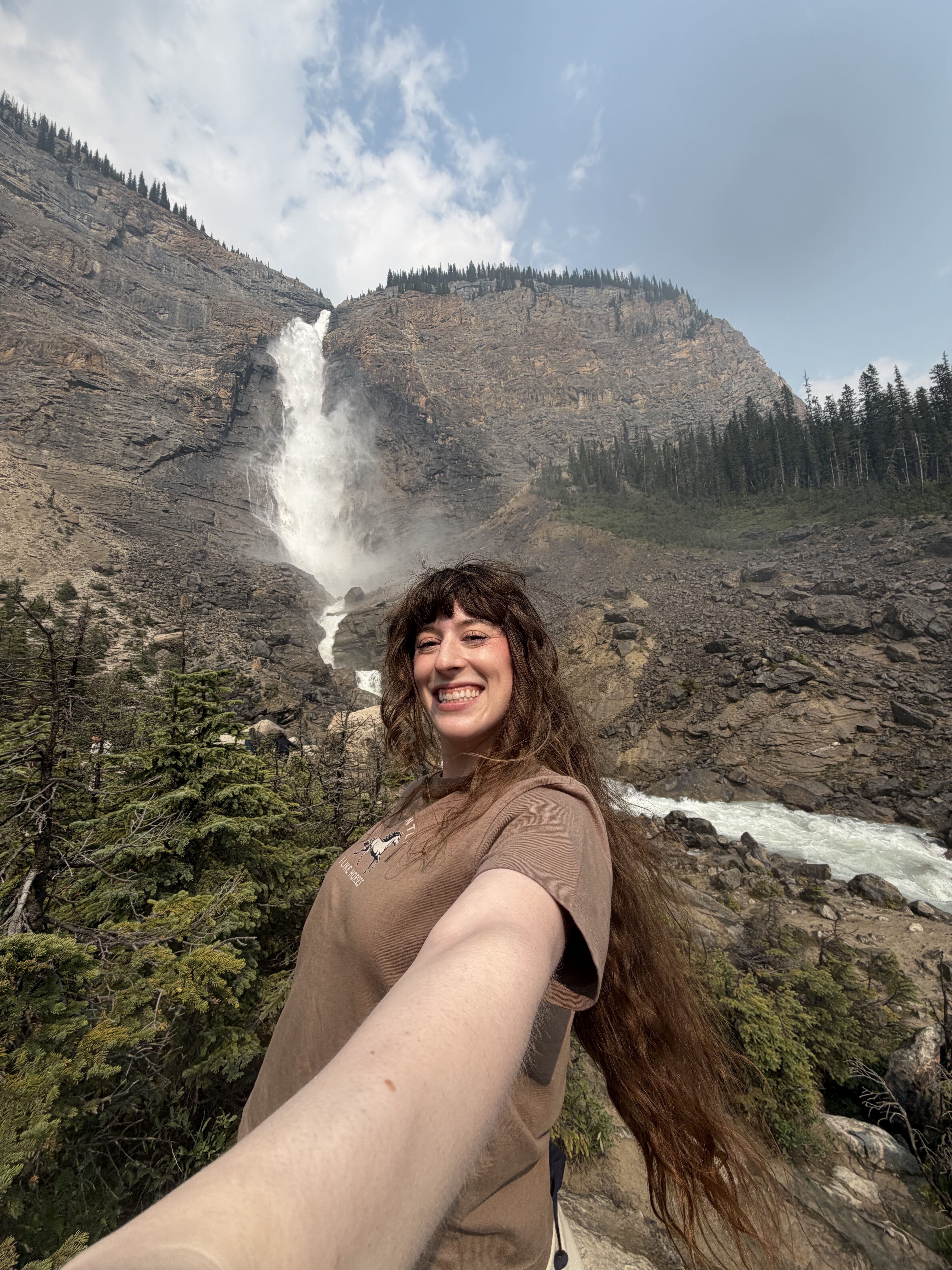
The final day of this Banff summer itinerary will bring you to scenic landscapes around Yoho National Park.
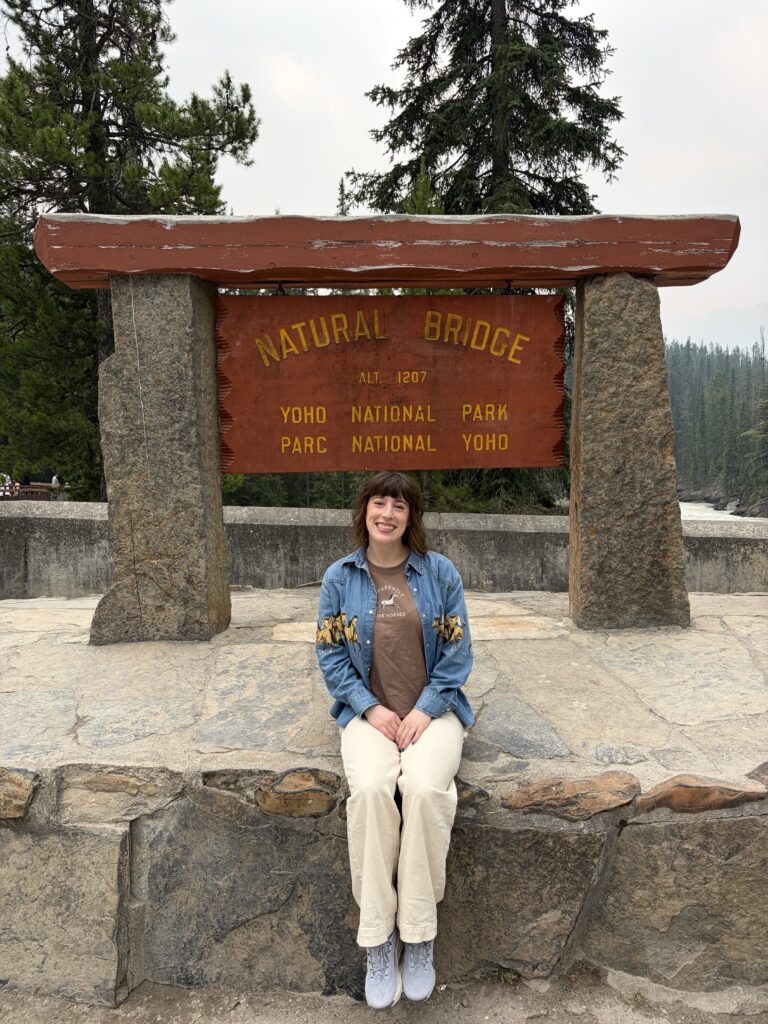
Check out of your accommodation and drive west from Alberta into British Columbia via the Trans Canada Highway 1. Alberta and British Columbia are two of Canada’s most beautiful provinces and you’ll see exactly why at the first stop in Yoho National Park: the Natural Bridge.
Over thousands of years, the Kicking Horse River has forcefully carved the limestone rocks into a bridge formation. Like a Renaissance sculptor creating marble masterpieces, the Natural Bridge is an artistic landscape that reminds visitors exactly how powerful rushing water can be.
A man-made bridge was built for visitors to witness the Natural Bridge from a safe distance, but you’ll likely see some travelers trying to climb on the rocks (don’t be that person!).
Drive ~8 kilometers to the star of Yoho National Park, Emerald Lake.
Emerald Lake is nothing short of entrancing. Its greenish hue makes it distinguishable from the vibrant teal and turquoise of Lake Louise and Moraine Lake. There are lots of things to do at Emerald Lake including canoeing, hiking, or enjoying lunch at the cafe. I really enjoyed a casual stroll around the lake and the short hike to Hamilton Falls.
After enjoying the views at Emerald Lake, one of Canada’s most popular lakes, take a scenic detour to Takakkaw Falls.
Towering at just over 370 meters, this monumental waterfall will take your breath away! You can walk close to the waterfall to feel the mist or view it from a distance.
From Takakkaw Falls, drive back to Calgary…you’ve just discovered three Canada National Parks in five days!
Want to explore even MORE Banff National Park content?
Check out my latest Banff National Park Posts BELOW
Coming Soon!