Affordable Olympics Travel: 10 Ways to Make Your Dream Trip a Reality
Hey traveler! As a Biochemical Engineer, I love optimizing things—including the perfect travel experience! This post contains affiliate links, which means I may earn a small commission if you book or buy something through my links, at no extra cost to you. I only recommend travel experiences I truly believe will make your adventures even better. Your support helps keep Beauty and the Bucket List running—thank you!
Whenever I tell people that I’ve been to both the Summer and the Winter Olympics (Paris 2024 and Milano-Cortina 2026), they look at me like I have a money tree growing in my backyard.
How could YOU [a regular twenty-something-year-old; implied but not spoken] afford to attend one of the most elite sporting events in the world?

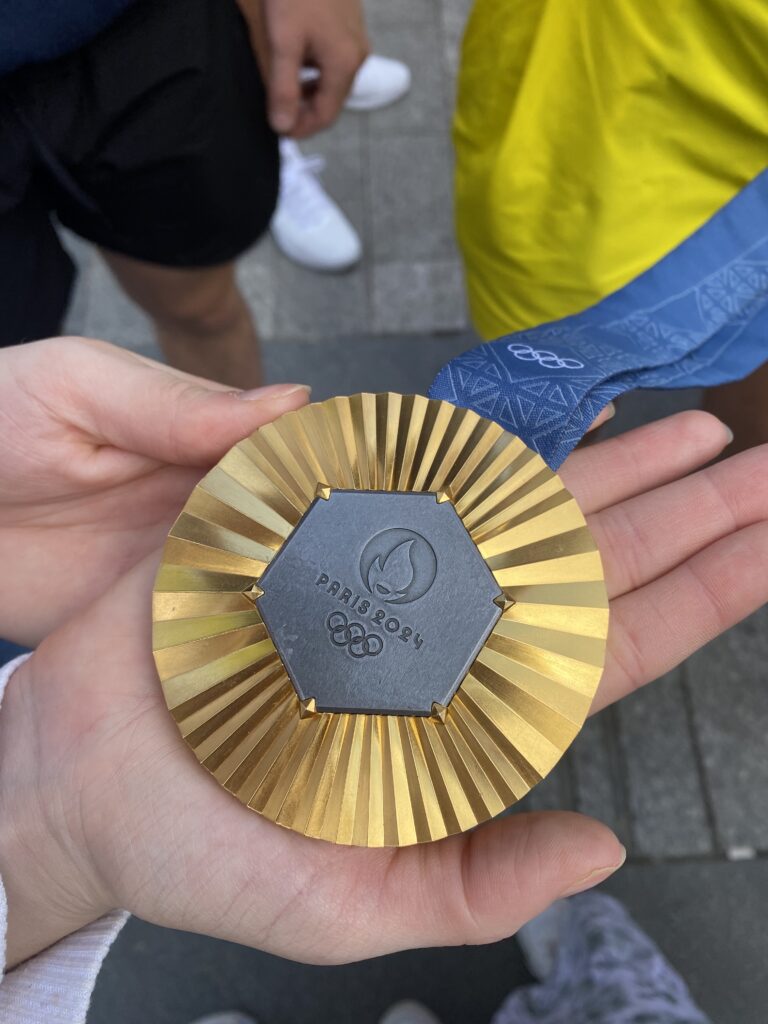
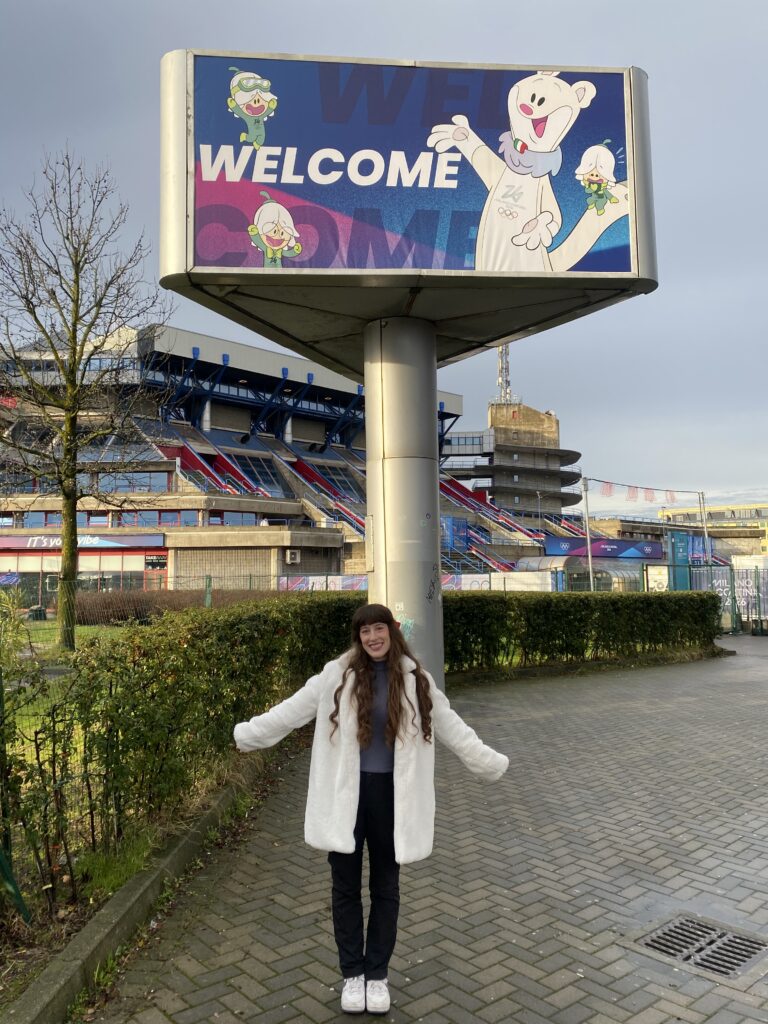
The Olympics are indeed a monumental global sporting event that occur once every two years, alternating between Summer and Winter sports. But this global event is NOT just for “elites”, wealthy influencers, or strictly family members of the competitors.
In reality, anyone can attend the Olympics. Like any major sporting event, your experience is as affordable as you make it.
I may not have won gold as an athlete, but I definitely won gold in affordable Olympics travel! This is a detailed affordable Olympics travel guide to help you save money and plan your bucket list trip to the Olympics!
Heads up!
Summer vs Winter Olympics Cost Comparison BELOW
Is it Expensive to Go to the Olympics?
The short answer is YES.
It’s usually more expensive to go to the Olympics than to visit the host city during a regular visit. When you factor in additional costs for Games tickets, add in some change for Olympics souvenirs, and account for the increased prices in lodging, the expenses add up! But I’ve mastered the art of affordable Olympics travel with 10 simple ways to stick to your budget.
Before we get into the Olympics budget tips, here’s a breakdown of the Summer vs. Winter Olympics, and how expensive each seasonal event was…
Summer vs. Winter Olympics: Which is More Expensive?
A detailed breakdown of my experience at both
Summer Olympics
The Summer Olympics are generally more popular than the Winter Olympics for a few reasons. The Summer Olympics offer over twice as many sports as the Winter Olympics (on average, 32 sports in Summer and 15 in Winter, depending on the Games) and more countries participate in the Summer Olympics compared to the Winter Olympics.
TV viewership is also slightly higher for the Summer Olympic Games compared to the Winter Olympic Games, with events like gymnastics, swimming and athletics being the most popular. However, I really enjoy watching many of the Winter sports, especially figure skating, speed skating, and freestyle events.
I brought my family with me to the Paris 2024 Summer Olympics, an unforgettable bucket list experience that was quite expensive, but not significantly more per person than my other international trips.
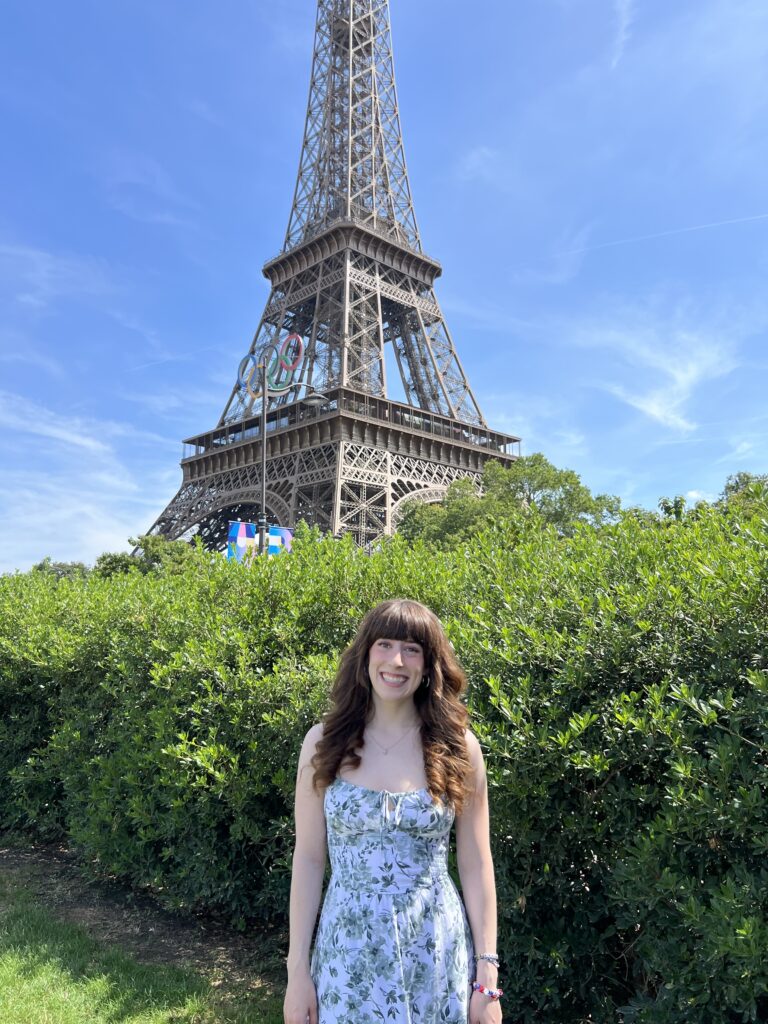
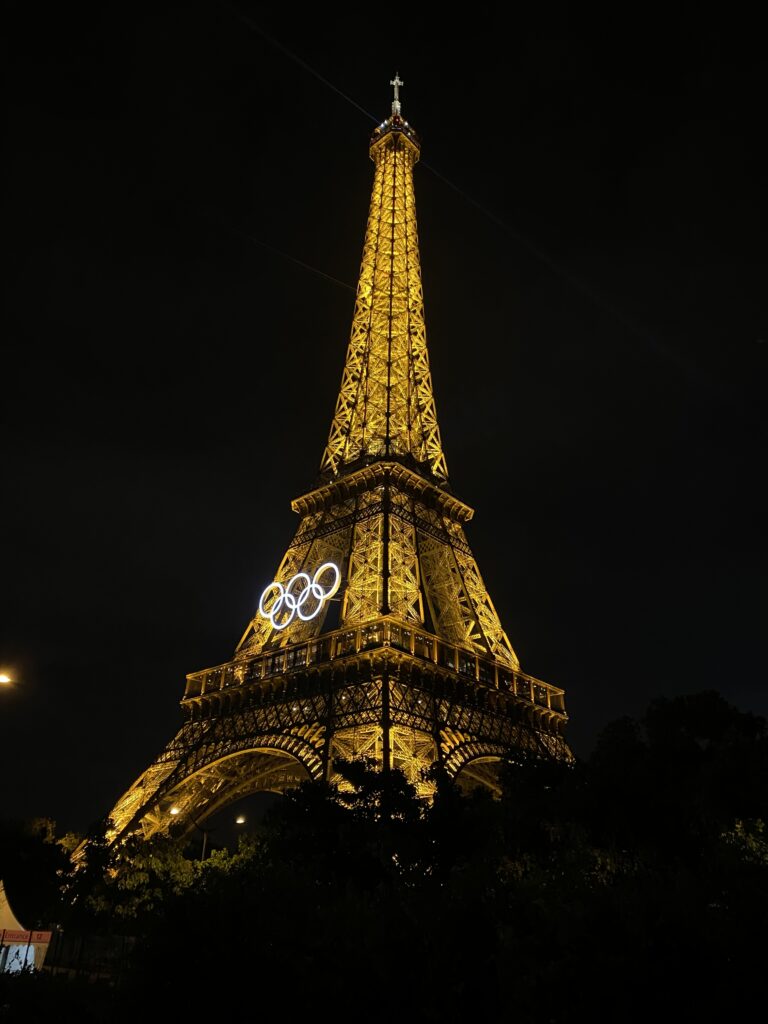
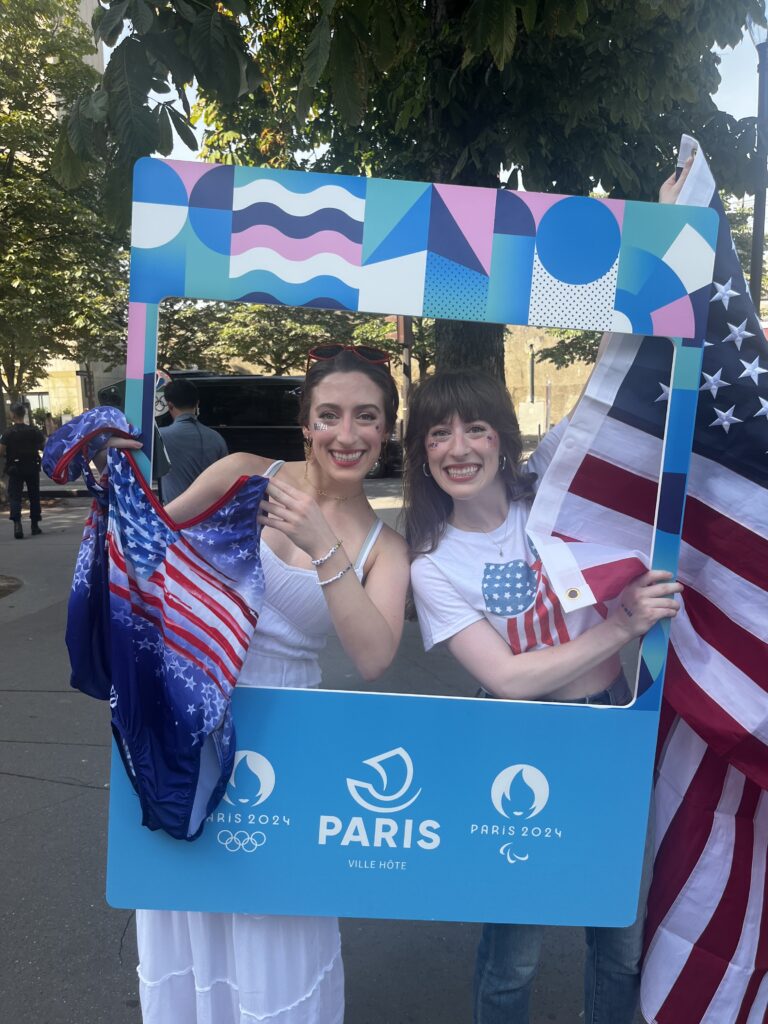
With five of us crammed into a small Paris hotel room, several opportunities for quick bites (street food and Five Guys were frequent eats), and metro tickets pre-purchased for the Games ahead of time, the most expensive part of attending the Summer Olympics were the Olympics tickets.
I purchased tickets for the Summer Olympics nearly a year and a half in-advance through the official Olympics ticket lottery. Tickets for the Summer Olympics are very competitive, especially for popular sports like gymnastics, equestrian and athletics.
When my turn came around to purchase Olympics tickets, the remaining ticket options were Category A and B seats, the more expensive tickets. In total for five people, I purchased eight Olympics tickets, all priced between $400 – $700 USD. Not cheap, but certainly not Super Bowl-priced.
In general, the cost to visit Paris for the Olympics was about what you’d expect to pay for a trip to one of the world’s most visited cities. It wasn’t cheap, but it wasn’t outrageously expensive.
Related Read…
Want to discover exactly HOW to get tickets to the Olympics? Read my detailed guide about the Olympics ticket lottery system and how you can get tickets to the Olympics!
Winter Olympics
While the Winter Olympics may be less popular by TV viewership, this global event still manages to capture the attention of sports enthusiasts from around the world. The 2026 Milano-Cortina Winter Olympics showcased 16 sports with nearly 3,000 athletes from around the world competing in places all over Northern Italy including Milan, Cortina and Livigno.
I always *thought* I preferred the Summer Olympics to the Winter Olympics. But that was before I visited Milan for the Winter Olympics and witnessed all the incredible things that could be done on skis, skates and sleds.


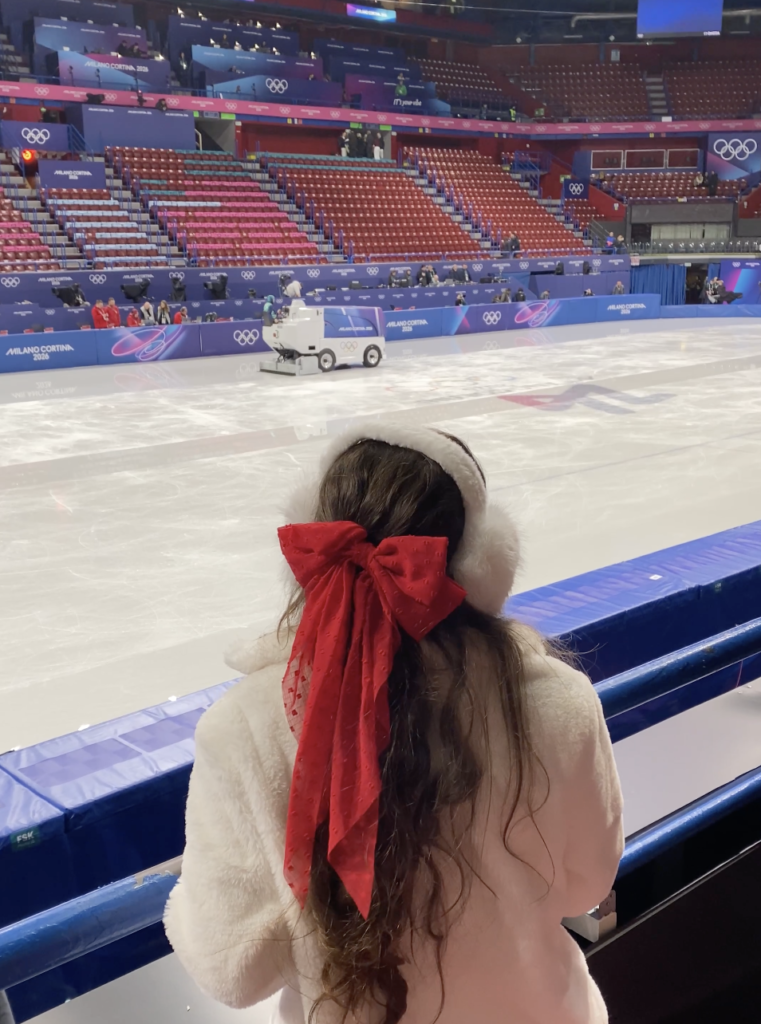
My trip to the Winter Olympics was unplanned and unexpected and went as perfectly as a last-minute bucket list adventure could have gone.
I was scrolling through Instagram after an unsuccessful week of trying to get Harry Styles tickets, hoping for a better opportunity to come along, and I came across a video about 2-for-1 Opening Ceremony tickets for people under 26 years old.
Alas, a week before the opening of the 2026 Winter Olympics Games, I had received my desperate manifestation for a “better opportunity” in the form of discounted Olympics tickets. When I discovered that the round trip transatlantic flight from Denver to Milan was cheaper than a flight to NYC, I didn’t hesitate to book it, even if it meant cramming five days of work into three to spend the following weekend in Milan.
Crazy? Yes.
More affordable than I thought? YES.
I didn’t purchase tickets to the Winter Olympics through the Olympics ticket lottery like I did for Paris and I was surprised to see that many official Games tickets were still available. So not only did I score 2-for-1 Opening Ceremony tickets, I also bought tickets to figure skating (a preliminary round) and speed skating (a medal event!).
For the three Olympics events in Milan, I spent less than I did for one ticket to the Paris Olympics. With that being said, for the Winter Olympics, I DID purchase tickets in lower-tier categories (C or D) rather than highest categories like I did for Paris (the only options available when I was allowed to purchase).
The Verdict: Which Olympics is More Expensive?
The verdict is in…
And it’s a TIE!
It HIGHLY depends on WHICH events you purchase tickets for, whether or not you secure affordable categories (Category C and D), and how expensive accommodations are in the host city.
While I may have spent less on tickets to the Winter Olympics, at the time when I purchased tickets for the Paris 2024 Summer Olympics, only the most expensive ticket options were available. If I had the chance to buy lower-tier category tickets to popular Summer events, would the prices be cheaper? Possibly. I guess I’ll have to try again for the LA 2028 Olympics!
Less popular sports in Summer and Winter Olympics are some of the most affordable tickets (think: marathon in Summer, curling in Winter). Your Olympics experience can be as affordable as you make it!
Affordable Olympics Travel Tips: 10 Ways to Save Money on Your Trip
1. Buy Tickets to Preliminary Events and Training Sessions
Everyone wants to see top athletes compete for a spot on the podium. Medal events – competitions where the qualified athletes compete for “best in the world” – are usually more expensive than preliminary events.
Preliminary events or qualification rounds are competitions that decide who competes for the podium in a final event later during the Olympics. Preliminary events always happen before finals, and are usually more affordable than medal events.
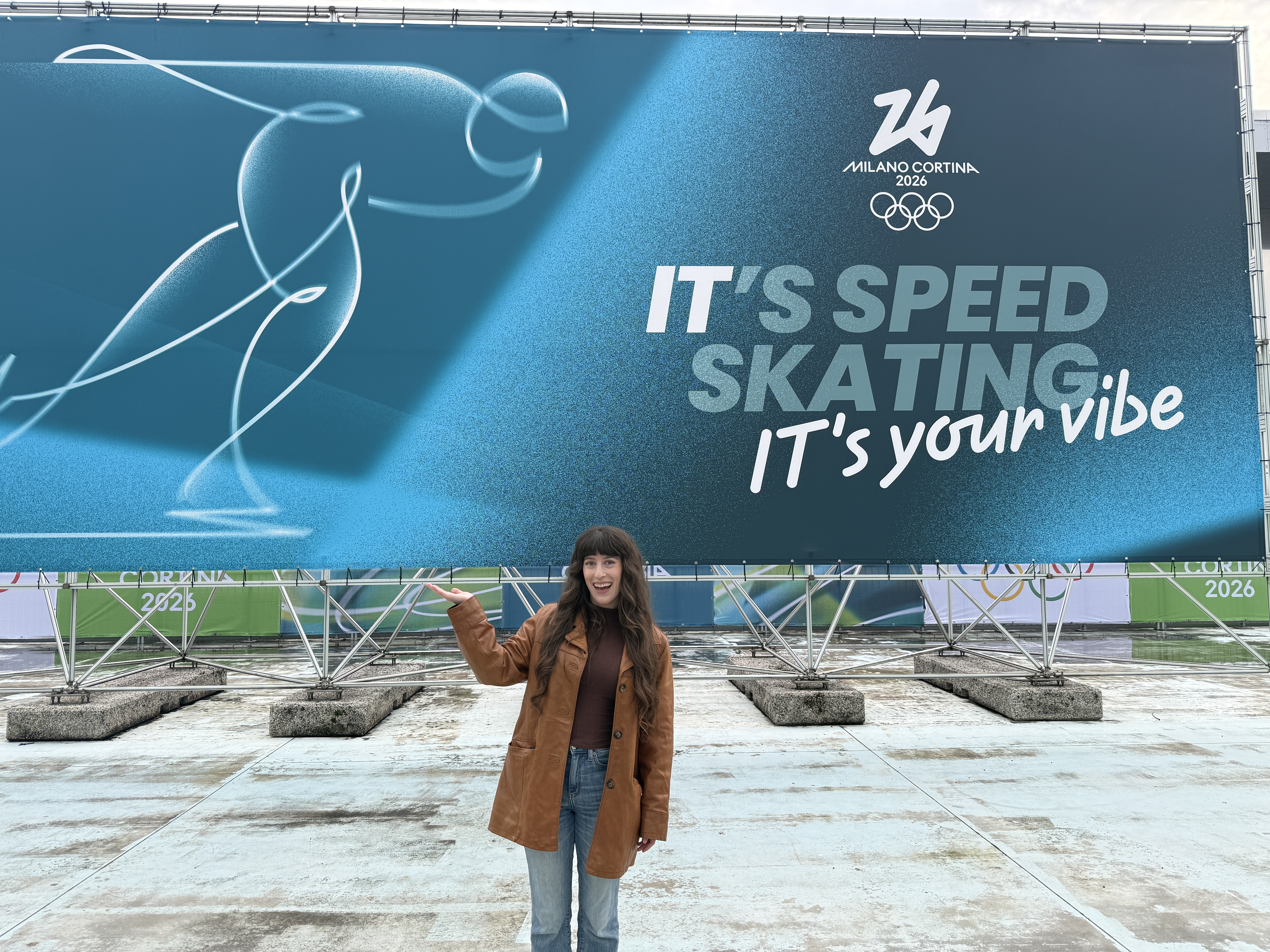
During the preliminary rounds you’ll witness similar performances as those in the final rounds. However, if an athlete decides to bring their coolest tricks to compete for gold in a later event, you’ll still be able to see it on TV if you don’t attend the medal event.
I’ve attended both preliminary and medal events and found these competitions to have a similar fan experience. Regardless of who you’re cheering for, witnessing the best athletes in the world is an incredible experience, whether they’re competing for a spot in the finals, or competing for the gold medal.
2. For Medal Events: Buy Tickets in Lower-tier Categories
If a podium performance is what you seek rather than a preliminary competition, consider buying tickets in lower-tier categories for medal events.
Seating at Olympic venues is usually sold by category, rather than seat by seat, with Category A being the most expensive seats and Categories C and D being the least expensive.
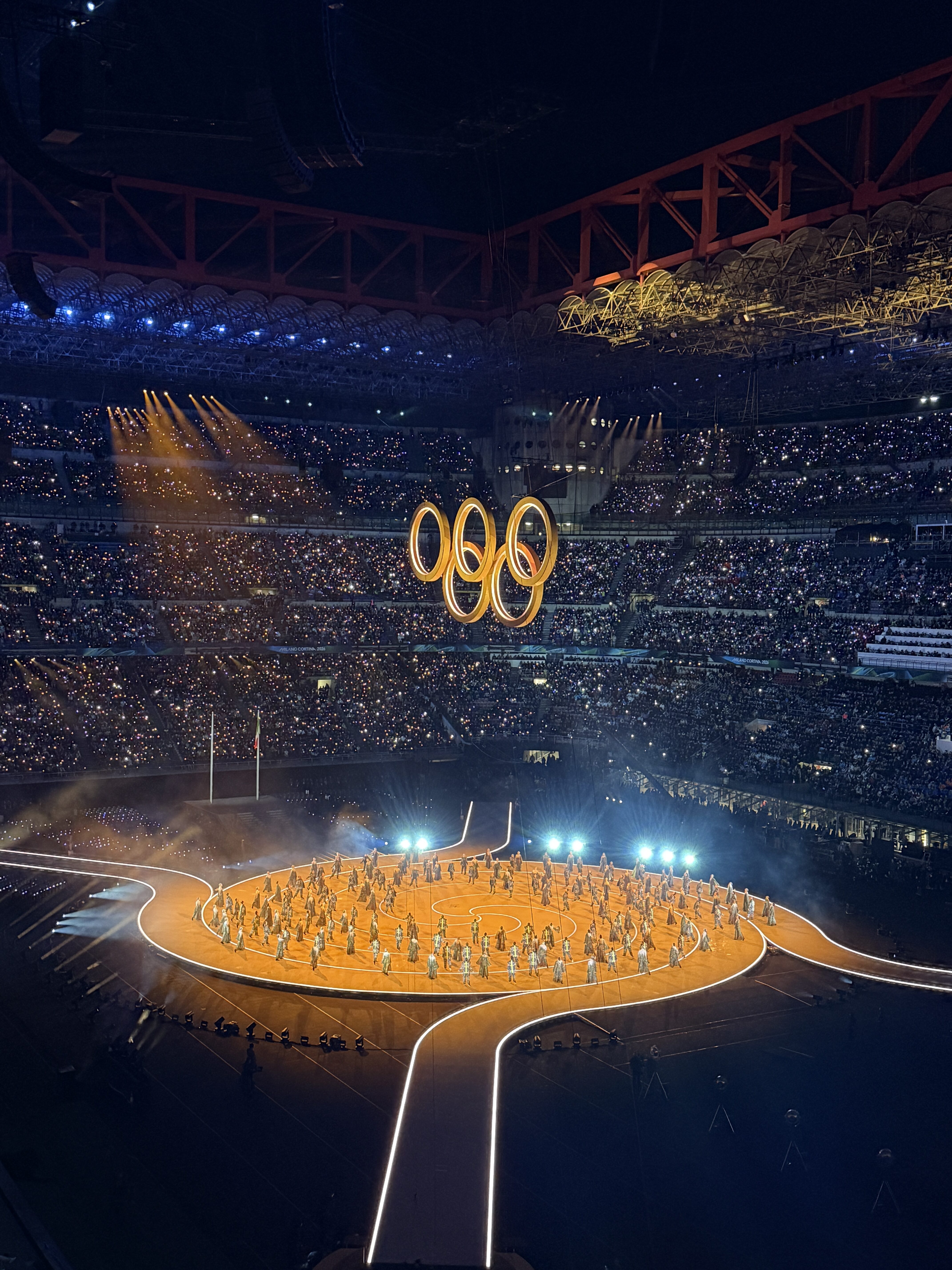
Ticket prices for medal events can be as low as $200 USD (or lower!) and up to $800 USD (or more!). The price of the ticket is highly dependent on the seat category, popularity of the sport, and the price determined by the Olympics committee.
There’s not a single bad seat in the Olympics when you’re surrounded by frenzied fans cheering for the best athletes in the world! Regardless of if you save money and buy lower-tier categories or spend the extra cash and book a better category, you’ll still witness history in the making.
3. Wait for Last-minute Price Drops
A last-minute price drop for tickets to the 2026 Milano-Cortina opening ceremony is what initiated my spontaneous trip to Milan for the Winter Olympics.
Sometimes, as the Games get closer, unsold tickets to less-popular sports or remaining seats in larger venues go on sale. The host city wants to fill as many seats as possible in every Olympic venue, so if you don’t mind waiting to book your tickets to the Olympics, you might luck out with a last-minute deal!
NOTE: This Olympics tip is a gamble…reduced price tickets aren’t always guaranteed!
4. Attend FREE Fan Events
During the period of the Olympics and the Paralympics, host cities become shrouded in the spirit of the Games. It’s not just the glowing Olympic flame or the monumental familiar rings you can witness. Venues are built just for fans to experience the spirit of the Olympics without the need to purchase a ticket to the Games.
Fan zones are venues where spectators visiting Olympic host cities can watch events, take photos, and get into the Olympic spirit for FREE.
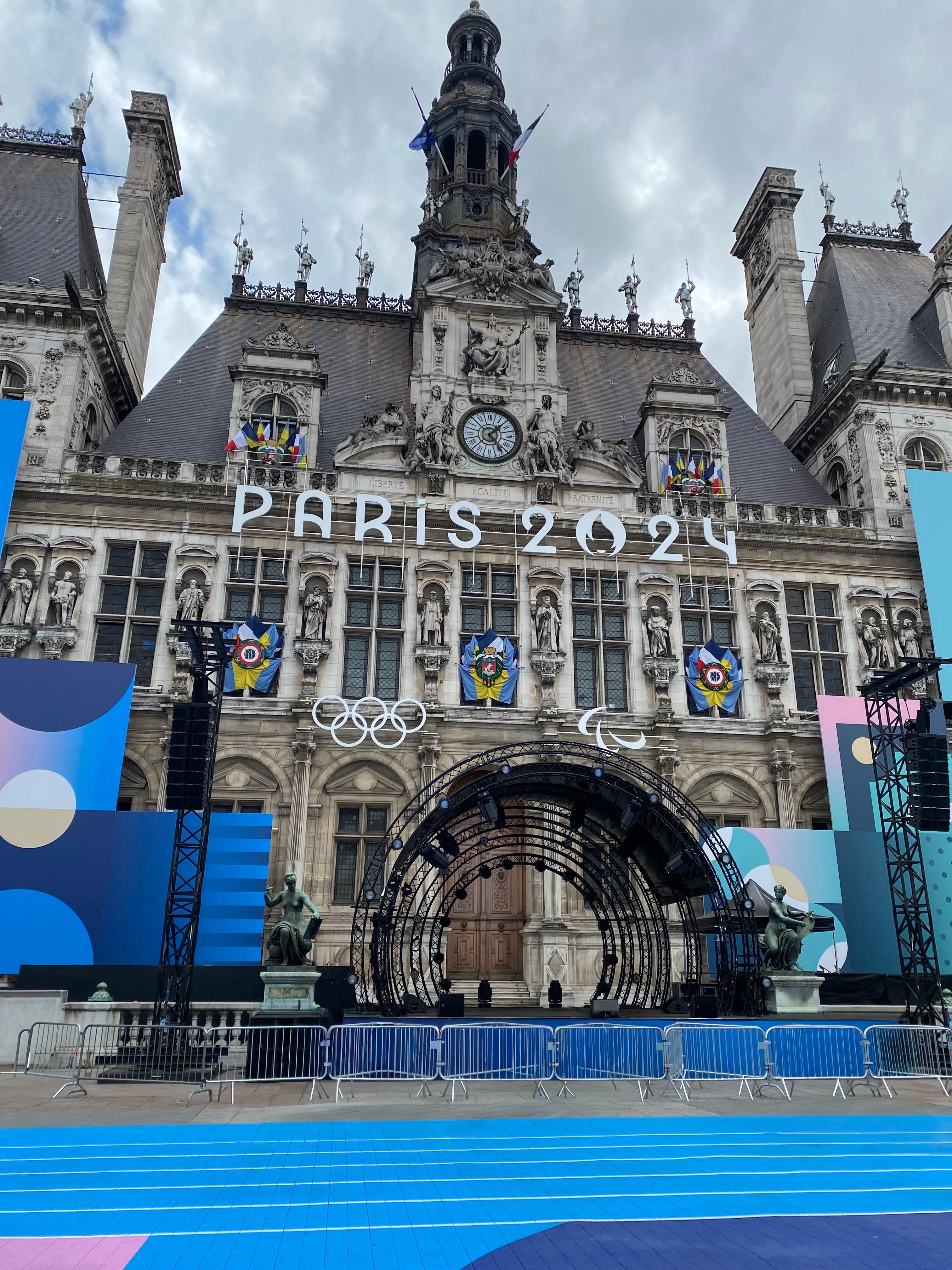
During the Paris 2024 Olympics, the organizers created a beautiful fan venue right in front of Pont d’léna and the Eiffel Tower. This free fan zone was a place where spectators could watch as athletes walked down the catwalk with their medals. In Piazza del Cannone, Milan’s fan village became a fun venue to meet other spectators and get in the Olympic spirit.
In addition to fan zones, the Olympic Games also offers a collection of cultural exhibitions and “country houses”. A “country house”, a National Olympic Committee House, is a place where athletes, journalists and sometimes spectators can gather to celebrate.
Many country houses are open to the public for free, while others are restricted for athletes and authorized individuals only. Some country houses charge a small entry fee.
5. Buy Olympics Merchandise AFTER the Games End
In the weeks following the Olympics and the Paralympics, remaining merchandise will go on sale online. While we’d all love to walk away from our Olympics adventure with the perfect souvenir, official merchandise is usually very expensive!
If you want to save money on souvenirs and don’t mind waiting for merchandise to go on sale, I recommend waiting until after the Olympics end to buy your Olympics gear!
6. Book Your Flight with Points
Since my first international trip to Rome in 2019, I’ve been putting all my expenses on travel credit cards that accrue points or miles which can later be redeemed for *free* flights (the cost of taxes and fees!).
With a little bit of spend optimization – putting high-earning points accrual expenses on specific cards – you can RAPIDLY earn points to purchase your flights to destinations all over the world. I have a variety of credit cards, some that earn more points for specific airlines, some that earn more points on restaurants and groceries, and a few for general travel point accrual, that help me earn points with regular spending.
If you’re a financially responsible traveler and want to find ways to make travel more affordable, using a travel credit card is one of the best ways to do so.
Related Read…
I wrote a whole article about how to travel for FREE! Read my beginner-friendly guide to points and miles and how you can make travel more affordable!
7. Use Public Transport (IF Available)
Olympic host cities are usually already designed to move people from place to place. The Olympics in both Paris and Milan took advantage of the transport infrastructure (metros and trains) for easy access to Olympic venues all around the cities.
This is one of the easiest ways to save money while traveling around from venue to venue. Most trains and metro stations have ticket counters where you can purchase a ticket for single rides, or a pass for the duration of your stay. Many stations also have the convenience of tap-to-pay so you don’t even need to wait in line at a ticket kiosk.
Skip the expensive taxis and the city traffic and use public transport! Just make sure to plan ahead and leave early for busy events and larger venues…you’ll inevitably face some crowds.
8. Stay Outside the City Center
I prefer to travel “like a local”, visiting lesser-known parts of a city, exploring locally-acclaimed restaurants and finding authentic handmade souvenirs. Part of the local experience includes staying outside the busy city center, where tourists gather and prices skyrocket.
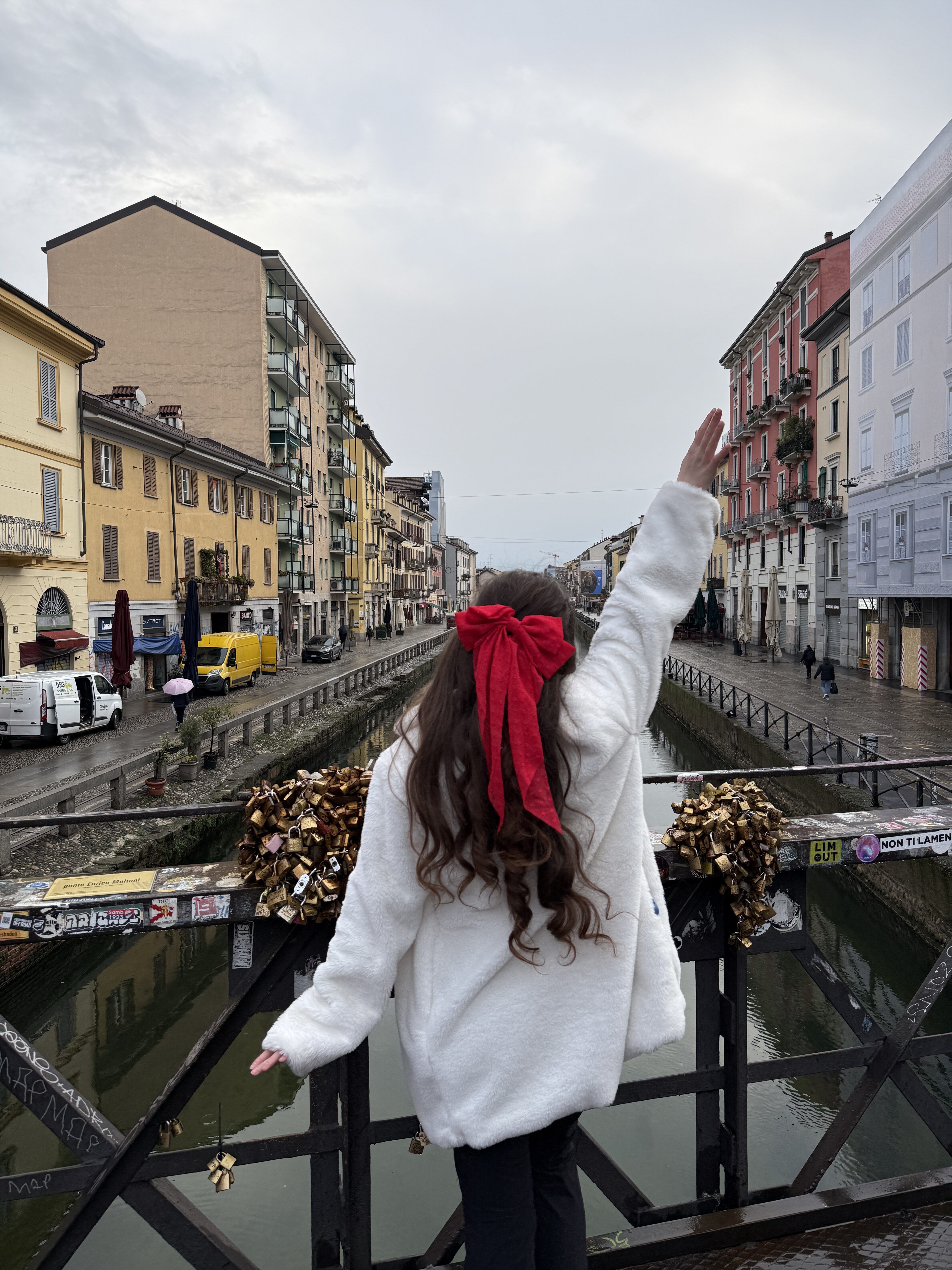
When I visited Milan for the 2026 Winter Olympics, I stayed in a charming local neighborhood outside the city center, lined with canals reminiscent of Venice and Amsterdam.
Navigli changed my whole perception of Milan. On my first visit I stayed in the city center and I believed this Northern Italian city to be a boring, a fashion-focused haven for big spenders. My opinion on Milan changed drastically after staying outside the city center in Navigli. I loved exploring the vintage markets, sipping aperitivo surrounded by locals chattering in Italian, and discovering new parts of the city I didn’t explore my first time in Milan.
Consider finding your accommodation for the Olympics outside the touristy areas. It’s almost always cheaper and a better, local-approved experience!
9. Quick Bites > Pricey Restaurants
A dive-y kebab shop almost always slips into my itineraries, a spontaneous “quick bite” that often makes the list for “best eats”.
Instead of trying to secure dinner reservations for the Olympic host city’s best restaurants, lean on your spontaneity to find “quick bites” and affordable eats. You’ll spend a lot less money on food and drinks, and your wallet will thank me later!
10. Watch Out For Classic Tourist Scams
In Rome, it’s the men handing out roses. In Milan, it’s the pigeon feeders outside the Duomo.
Almost every city has a classic tourist scam: an unexpected way you’ll lose your money if you’re not careful.
Before traveling to any destination, I always like to do some research about scams and the unique ways in which people prey on curious tourists. The best way to avoid getting scammed is to make yourself aware…and NEVER get into an “unofficial” taxi (believe me, I’ve DONE it!).
Want to explore even MORE Olympics content?
Check out my latest Olympics blog Posts BELOW
How to Get Olympics Tickets: Step-by-Step Guide for LA 2028
MORE COMING SOON!